

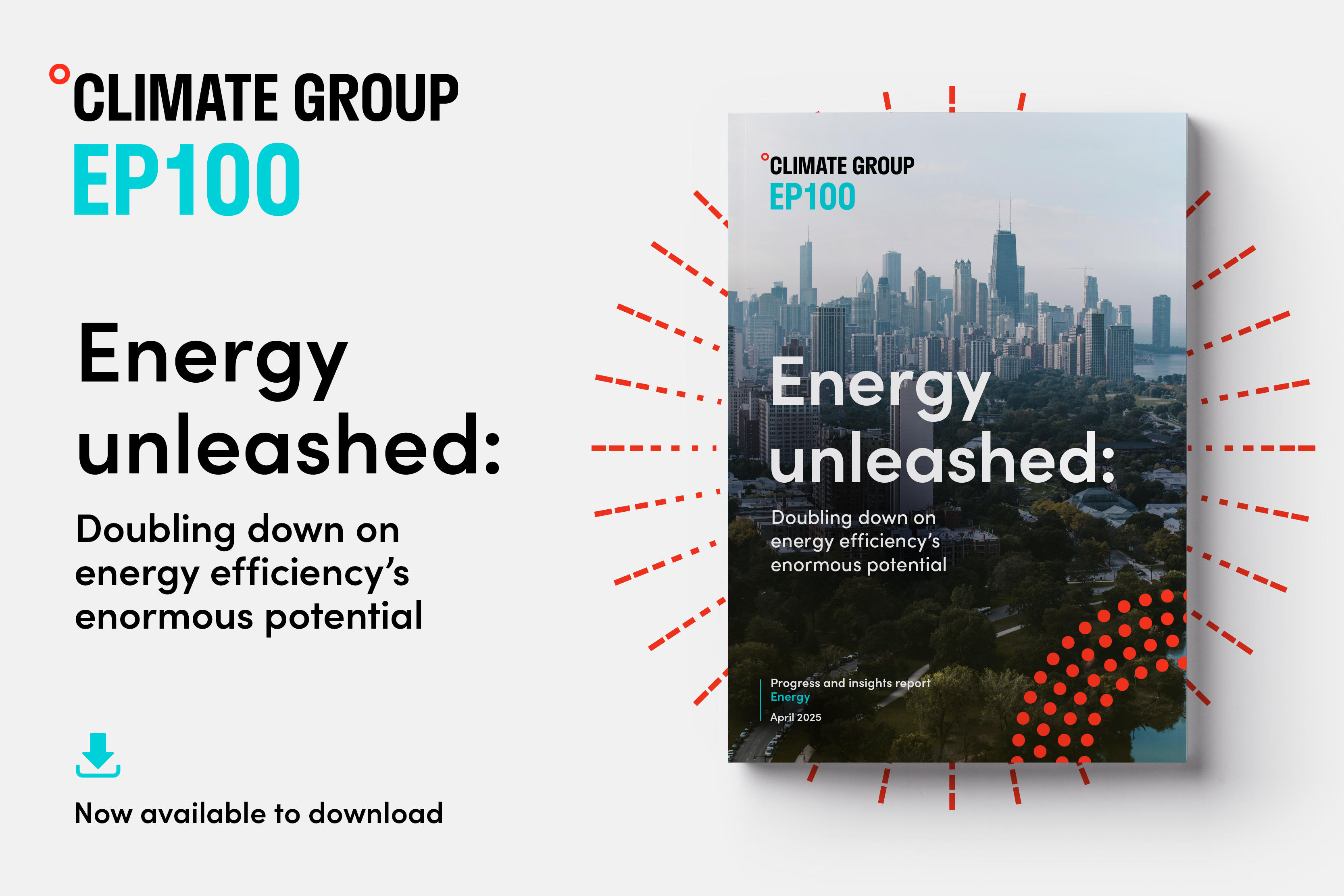
Energy unleashed: Doubling down on energy efficiency’s enormous potential
The EP100 progress and insights report 2024 details how corporates in Climate Group’s EP100 initiative are driving up their energy efficiency at pace, defying sluggish progress globally.
The report uncovers how energy efficiency is the quickest and cheapest way to cut global fossil fuel demand, driving down costs while driving up competitiveness, and making the transition to renewables more achievable.
At COP28, over 130 governments committed to doubling down on energy efficiency – the world is off track on this target but EP100’s 113 members are showing the way forward. Countries and companies must now redouble their efforts and turn ambition into action.
Download Energy unleashed: Doubling down on energy efficiency’s enormous potential here.
Key findings:
- To date EP100 members have collectively saved 1,403 terawatt-hours of energy, more than the combined annual electricity use of the UK, France, and Germany in 2023.
- To date, EP100 members have reduced their emissions by 450 million metric tonnes of CO2e – that's more than the annual emissions of Brazil in 2023. This works out as reported financial savings totalling $1.7 billion.
- EP100 members achieved an 8% average annual improvement in energy productivity last year (the global rate of change in primary energy intensity was about 1% in 2024 according to the IEA).
- 80% of members are set to meet their energy productivity goals ahead of their EP100 target dates.
Breaking down policy barriers in 2025
The EP100 progress and insights report explores how policy barriers and regulatory hurdles are harming energy efficiency and we need drastic change to enable more corporates to double down. Policies like building codes and minimum energy performance can transform global progress on energy efficiency.
To address this, the report shares how EP100 will focus on policy advocacy in 2025, ensuring governments implement supportive policies that remove barriers to energy efficiency, for the benefit of EP100 members and beyond.
“We must come together to drive even greater impact, cutting energy demand and emissions. Companies have the technologies, the expertise, and the capital to turn the tide on energy efficiency – as our EP100 members are showing. It’s time to tap into this knowledge, to be bolder on what we demand of policymakers, and to emphasise to other businesses the many benefits of energy efficiency improvement.”
Helen Clarkson, CEO, Climate Group
Four members reached their EP100 commitment targets in 2024: Beko, Mahindra Holidays and Resorts, and Mitie all achieved their commitment to double energy productivity. TCC Group successfully implemented an Energy Management System and increased energy productivity by 50%.
“Energy efficiency is key to sustainability and competitiveness in the manufacturing industry. To accelerate energy efficiency in global manufacturing, a multifaceted policy approach is crucial. Financial incentives, such as tax breaks, subsidised loans and grants can directly encourage investment in energy efficient equipment and processes, addressing the challenge of upfront costs. Regulatory measures, including mandatory energy audits and minimum energy performance standards can ensure wider adoption of best practices and spur innovation.”
Fatih Özkadı, Chief Sustainability, Quality, and Customer Care Officer, Beko
News | 7th February
Business briefing: What to watch in the energy space in 2025

Press release | 20th November
How to increase collaboration between governments, businesses and financial institutions to unleash Europe’s renovation revolution
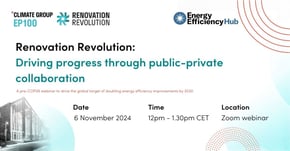
Event | 6th November