
#EVLearnings with… GeopostSustainable trucking? The right policies are key
1 July 2025, 13:58 UTC | 2 min read

Key areas
Major Programmes
Climate Week NYC
Showcasing amazing climate action
24/7 Carbon-Free Coalition
Powering a carbon-free future
ConcreteZero
Creating a market for net zero concrete
Smart Energy Coalition
A growing group of energy-smart companies committed to improving their energy efficiency.
EV100
Our global network of corporate leaders driving the transition to zero-emission road transport
RE100
The world’s most influential companies, committed to 100% renewable power
SteelZero
Building demand for net zero steel
Under2 Coalition
Driving climate action in states and regions
1 July 2025, 13:58 UTC | 2 min read
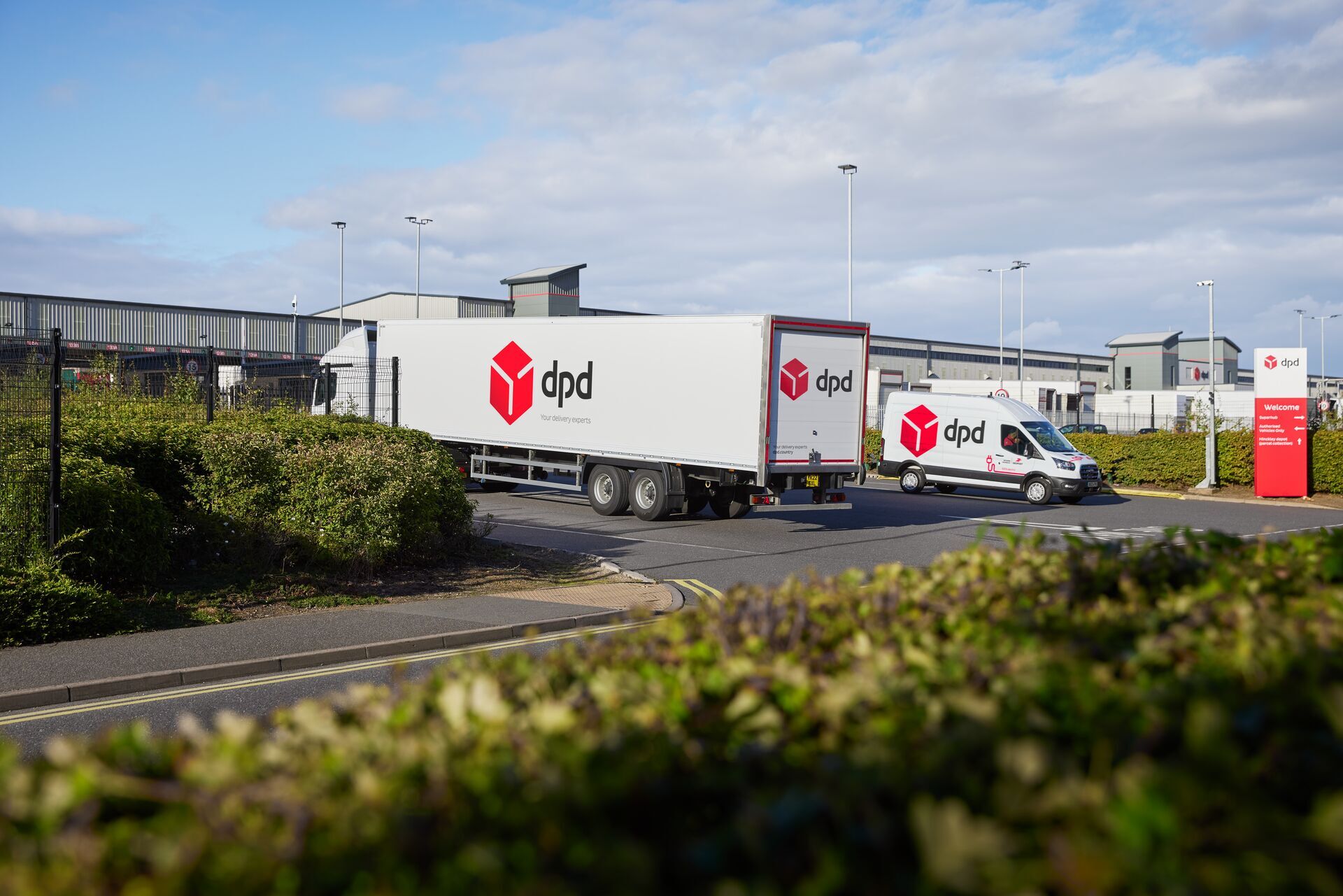
With trucks transporting 77% of inland freight in Europe – measured in tonne-kilometres – and linehaul representing nearly half of Geopost’s carbon footprint, transitioning to more sustainable alternatives is a top priority.
Globally, freight transport accounts for 8% of greenhouse gas emissions (IEA, 2018), and in Europe, transport is the largest emissions sector, with trucks – 98.3% of which run on diesel (ACEA, 2019) –playing a significant role. Decarbonising this sector is essential to ensuring a more sustainable future.
Policy support is crucial
From our vantage point spanning 50 countries, we see that the way forward lies in a diverse range of solutions, with electric truck technologies at the forefront. While these technologies and charging infrastructure are being developed and improved, it is essential that they are supported by the right policies if they are to scale.
In Europe, policies like the CO2 emissions standards for heavy-duty vehicles (HDVs), alongside measures like the Alternative Fuels Infrastructure Regulation (AFIR) and Eurovignettes, are critical to driving market shifts and reducing costs.
Geopost’s commitment
At Geopost, we’re not just talking about change – we’re acting on it. Our net zero target, validated by the Science Based Targets initiative (SBTi), sees us target 50% low-emission linehaul by 2030 and 100% by 2040. In the short term, we’re using biofuels like HVO (hydrotreated vegetable oil) as a bridge – already powering 16% of our linehaul distances in 2024 across operations like DPD UK, BRT, and Chronopost. Looking ahead, electric trucks are our future, with around 15 already in service and best practices emerging from Switzerland, where policy measures are supporting the shift to e-trucks.
Power in numbers
As a founding member of EV100+, now EV100, we firmly believe in the power of collaboration between companies to signal demand and collectively build the ecosystem needed for the successful transition to sustainable trucking.
*
This thought leadership piece was contributed by Geopost as part of the EV100 relaunch. EV100 is Climate Group’s global network of corporate leaders driving the transition to zero-emission road transport.
Through the year, #EVLearnings are exclusive to EV100 members via the Members Hub.