COP31
Climate Group COP31 highlights
9-20 November 2026 | Antalya, Türkiye
Catch up on Climate Group and our networks throughout COP31, with updates from high-level discussions and events to action on food, clean energy, climate finance and industrial transformation.
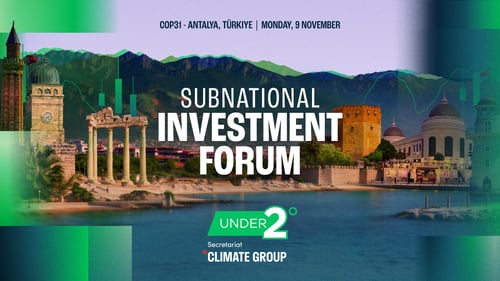
📍World leaders, government representatives and business leaders gather in Antalya, Türkiye, for the opening of COP31.
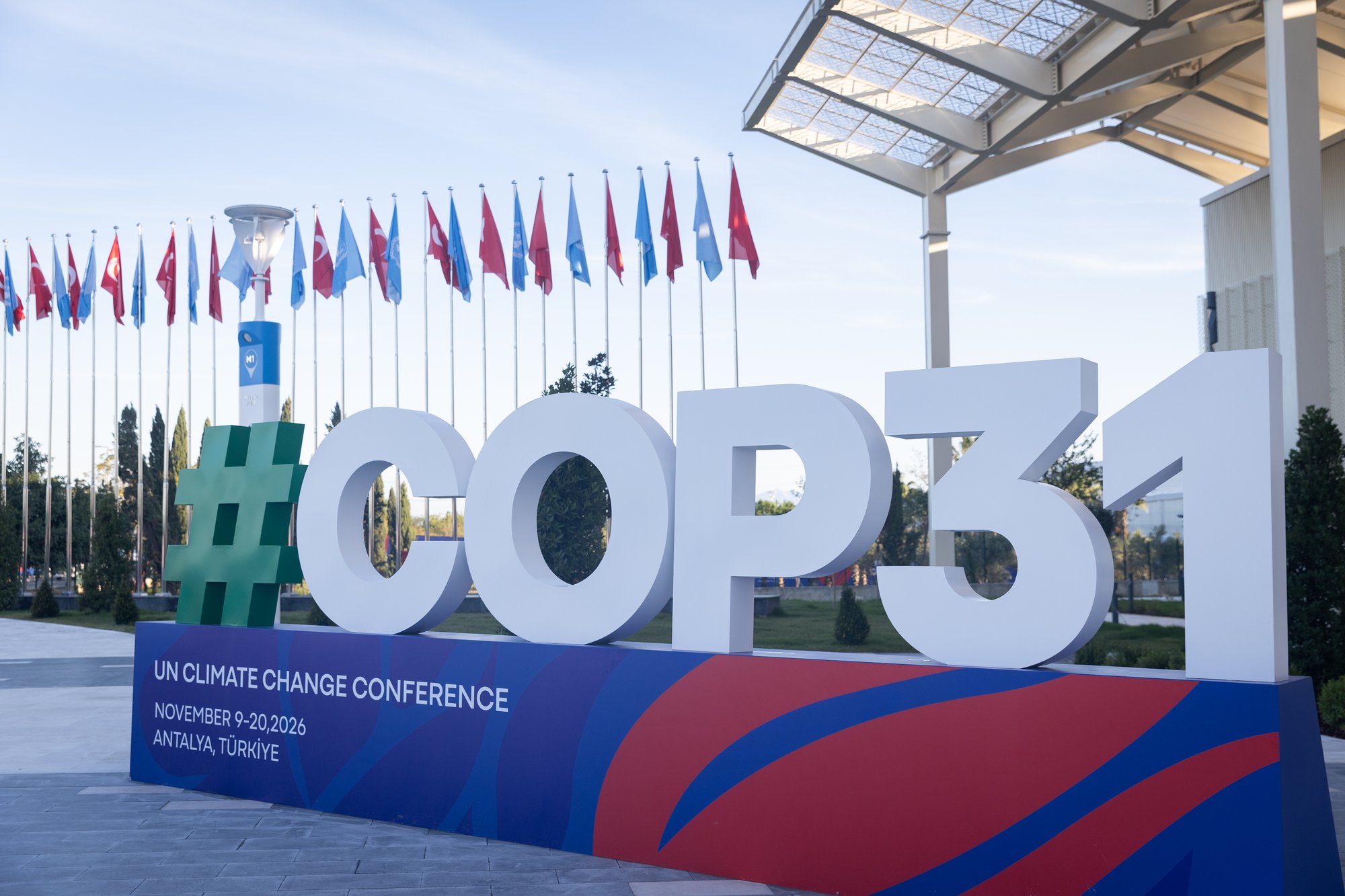
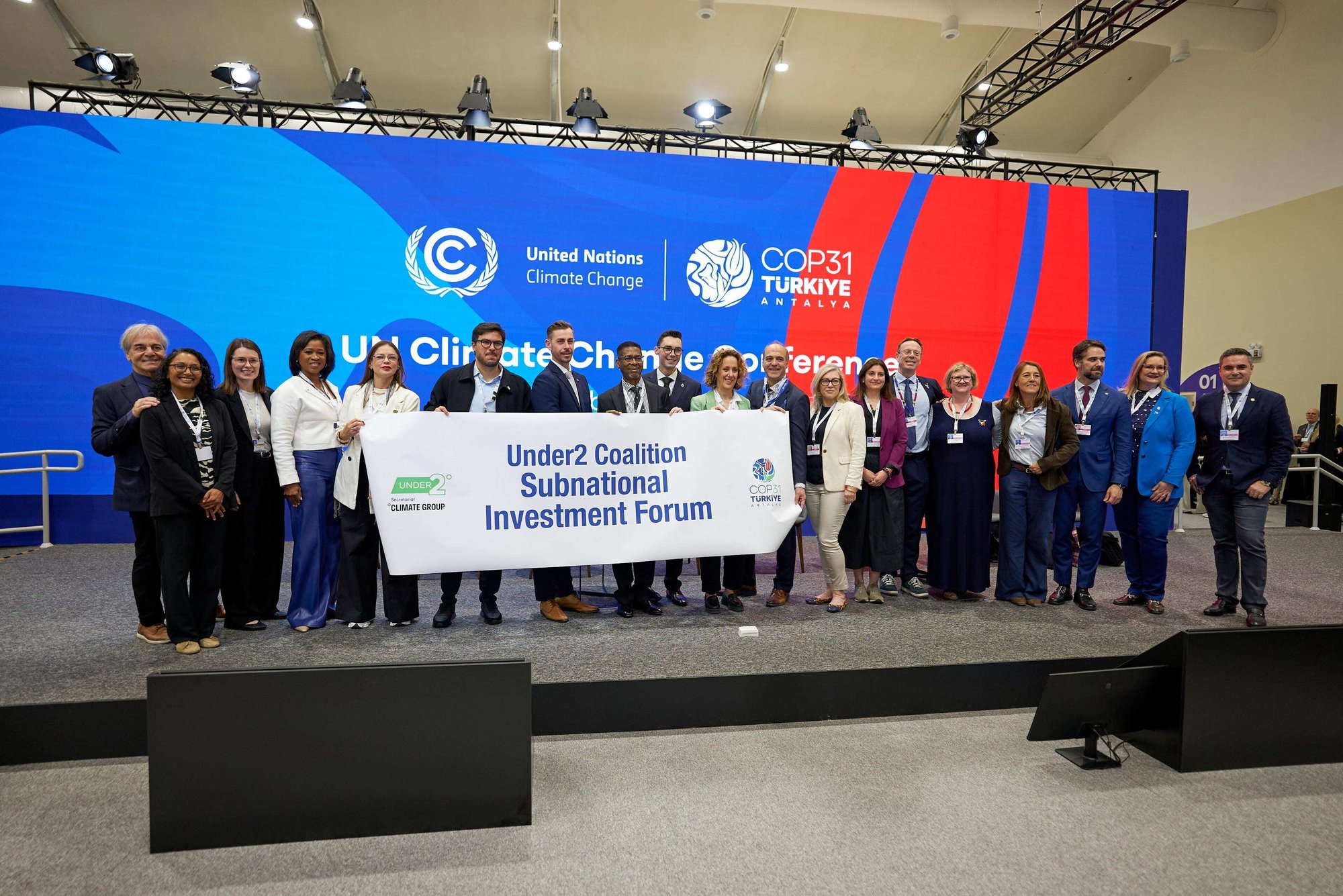
The Under2 Coalition convenes government leaders, investors and financial institutions at the Subnational Investment Forum to explore how to unlock finance for climate projects and accelerate investment in states and regions.
As COP31 kicks off in Antalya, Helen Clarkson, CEO, Climate Group sets a clear direction: "implementation at scale depends on investment in grids, infrastructure, and the systems we need for speedy deployment. That's where we must start, if we truly want COP31 to be about delivery in the coming two weeks."
We welcomed Nigeria’s Enugu and Plateau State to the Under2 Coalition.
As Ethiopia prepares to host COP32, we’re looking forward to working with both states to bring their experience to global discussions on how African states and regions can access the finance they need to deliver climate action in their communities.
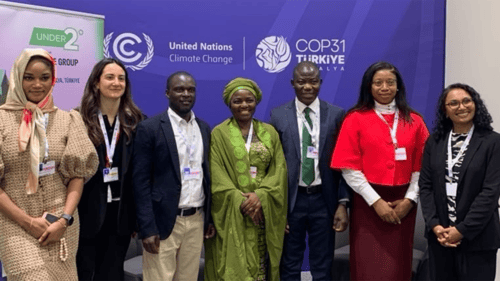
Hear ICLEI outline why local and regional governments must play a central role in delivering global climate action.
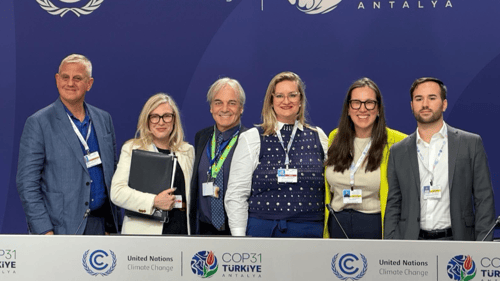
On Energy day at COP31. Cleaner air for communities, new skills for workers:
Switching to electric equipment at ports can cut air pollution in nearby communities. Training can help workers prepare for new jobs as industries change. States and regions can put national climate policies into practice in ways that meet local needs.
Andrew Forth, our Head of Policy and Advocacy, led Cross-Regional Learning on Just Transition: A Whole Economy Approach, Impacts and Pathways, drawing on lessons from California, Indonesia and Nigeria.
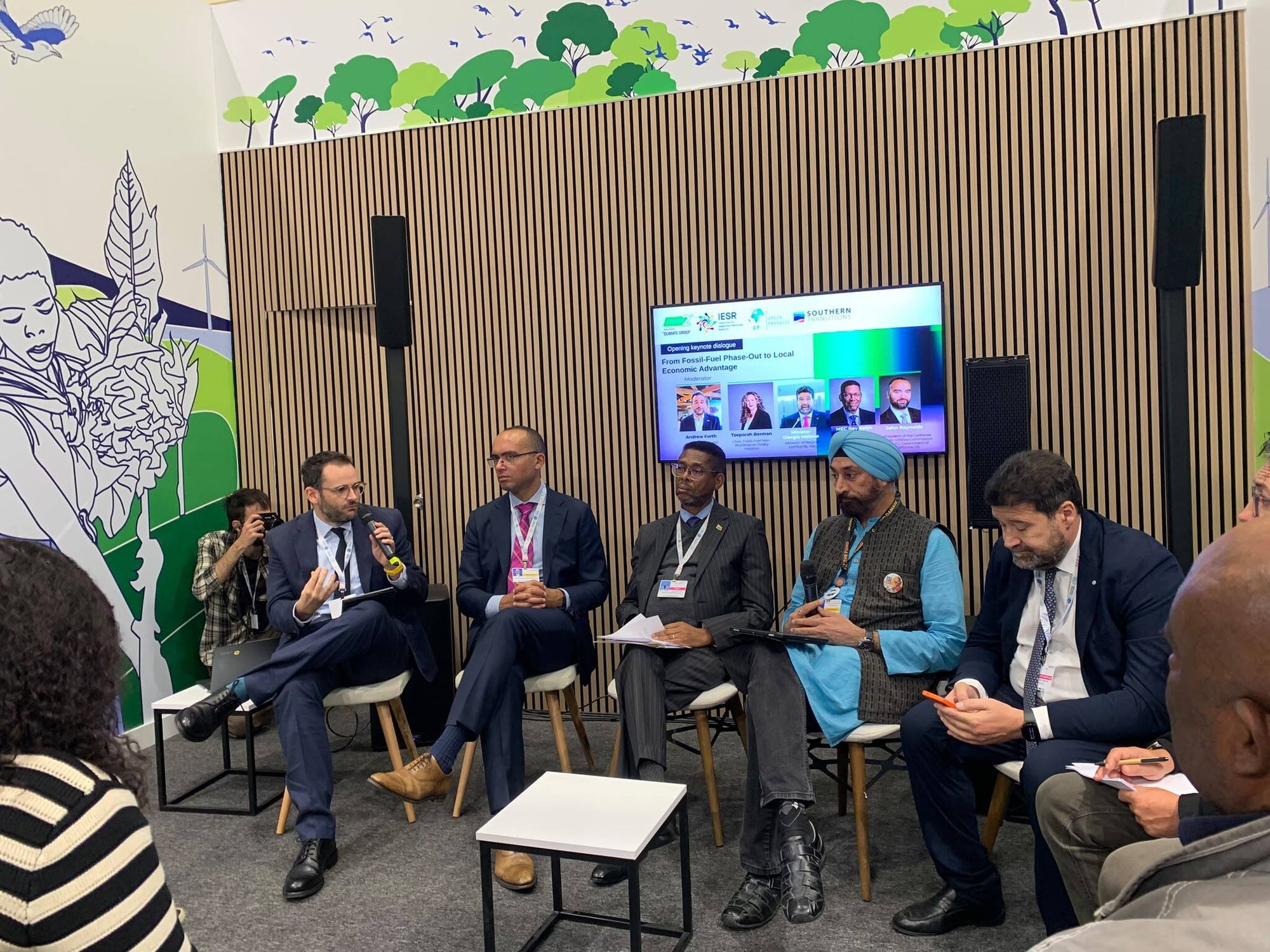
Climate Group CEO Helen Clarkson gave a round up of our work so far on the ground at COP31.
In particular, she spotlighted the Sustainable Investment Forum at COP31. Head to our Instagram to learn all about it.
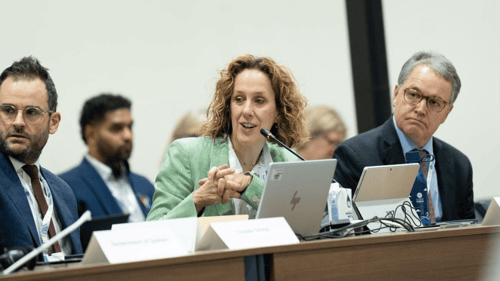
Speaking at the CHAMP Steering Group and Subnational Advisory Council, we heard from two leaders on the importance of subnationals:
"The voices of subnational governments at COP has changed. It's now louder. Louder than it was at COP28, louder than it was at Rio. We need to make sure that that volume continues to grow louder in the formal agenda and particularly in the action agenda" - Ambassador da Costa, Co-Chair of CHAMP
"The contributions of cities and regions need to be measured and they need to be seen in negotiations. Cities, states and regions are proven to be reliable partners to national governments because they plan for 10-15 years." - Minister Walker, Baden-Württemberg
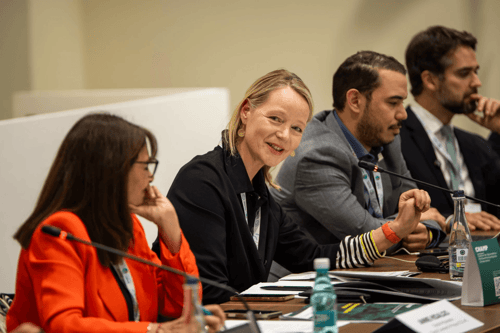
Launched at COP31, our new Subnational Methane Action Coalition report shows how states and regions are cutting methane from waste. It calls on national governments to include them in methane plans and fund their work directly.
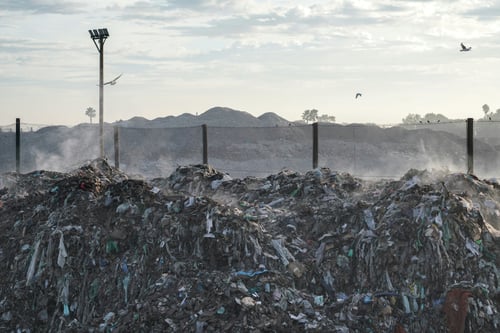
Keeping food waste out of landfill can cut methane emissions, and turning manure into biogas can give farmers a local source of energy and fertiliser.
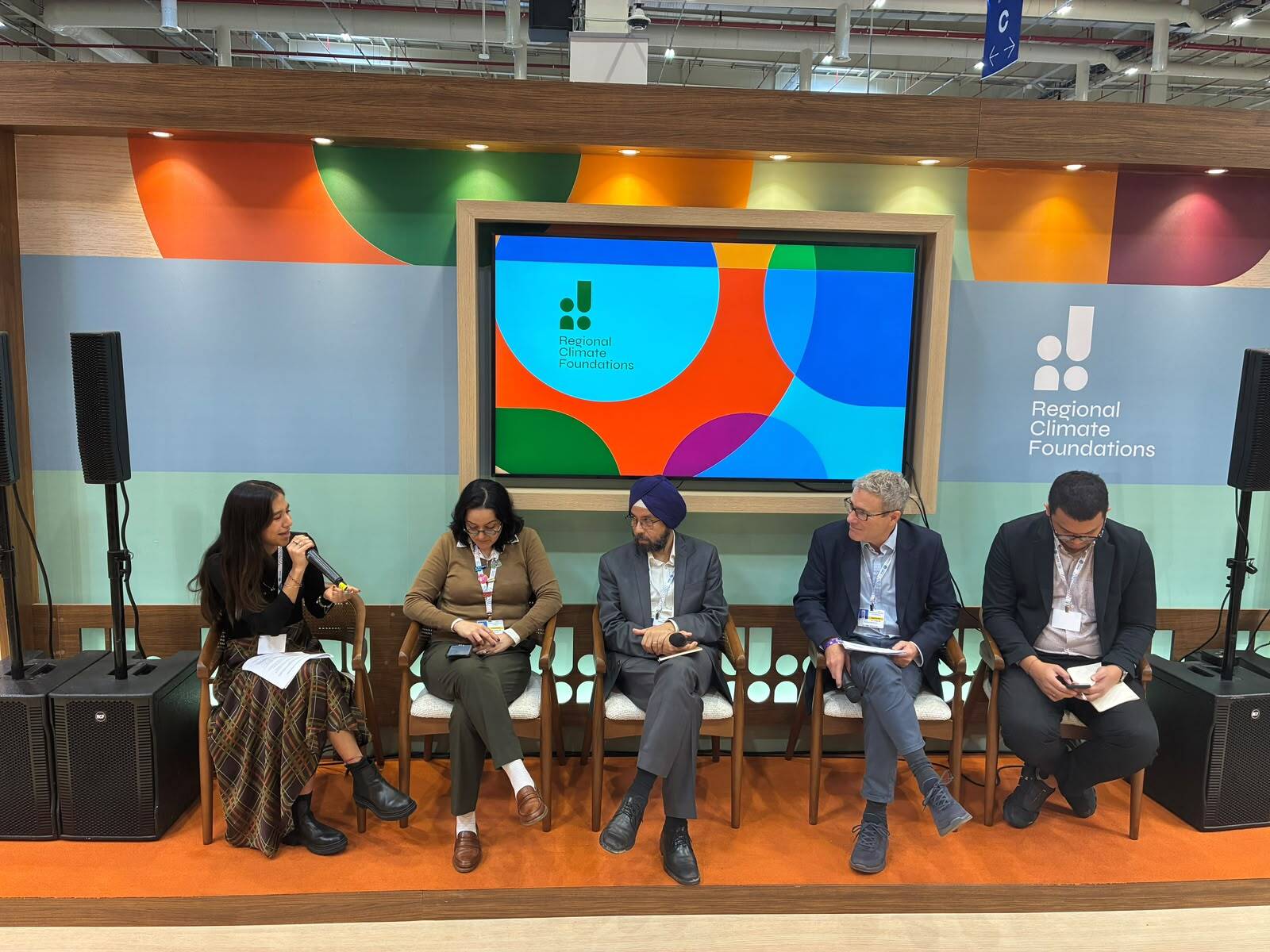
At Subnational Solutions for Methane Mitigation event, our Executive Director for Governments and Policy, Champa Patel, highlighted how the Subnational Methane Action Coalition helps states and regions test local solutions before expanding them. Gauteng shared its work to expand composting, while Catalonia stressed the importance of involving communities early in plans.
“Lower energy bills, cleaner air, cheaper to drive cars – electrification delivers, and people and businesses are ready for it," says Helen Clarkson, CEO, Climate Group.
"That’s why it’s good to see so many governments rally around a smarter, cleaner energy system, powered by renewables and storage.... Now is the time to invest in grids and infrastructure, cut electricity costs, and phase out the fossil fuel subsidies that hold back renewables-powered electrification, with benefits for all.”
Read the blog to learn more.
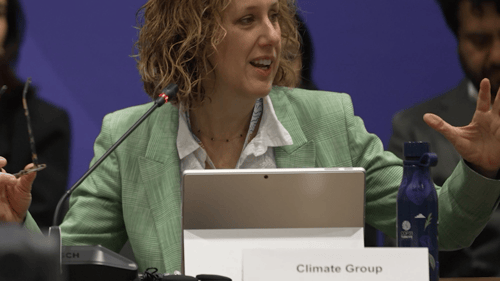
Today’s cooling choices will last for decades
The cooling equipment businesses buy today could remain in use for 20–40 years – shaping energy use and costs long into the future.
At COP31, our Andrew Forth highlighted why those decisions matter: “We need to make sure that we’re being ambitious today so that that legacy continues to be good.”
A new IEA report for the COP31 Presidency shows that better waste management could cut more than 1.5 gigatonnes of emissions a year by 2035. Champa Patel, Executive Director for Governments and Policy at Climate Group, responds:
“The opportunity is huge, and work on methane often pays for itself over time. The tools exist, and states and regions are ready, but our window is closing fast. Let’s enable them to work.”
Climate action is more likely to endure when people can see how it improves their lives, from lower energy bills to stronger communities.
Today, our Executive Director moderated a discussion co-organised by the Under2 Coalition and the Government of Québec.
The central message: states and regions need to make the benefits of climate policy tangible, address concerns about cost and fairness, and build public trust to sustain progress.
Beyond the Blue Zone
Preparing emergency teams and investing in prevention are critical to protecting communities from wildfires.
Today, our exchange with the Antalya International Forestry Training Centre brought California Governor Gavin Newsom and state and regional leaders together to learn from each other’s experience, helping inform preparedness and climate action investment.
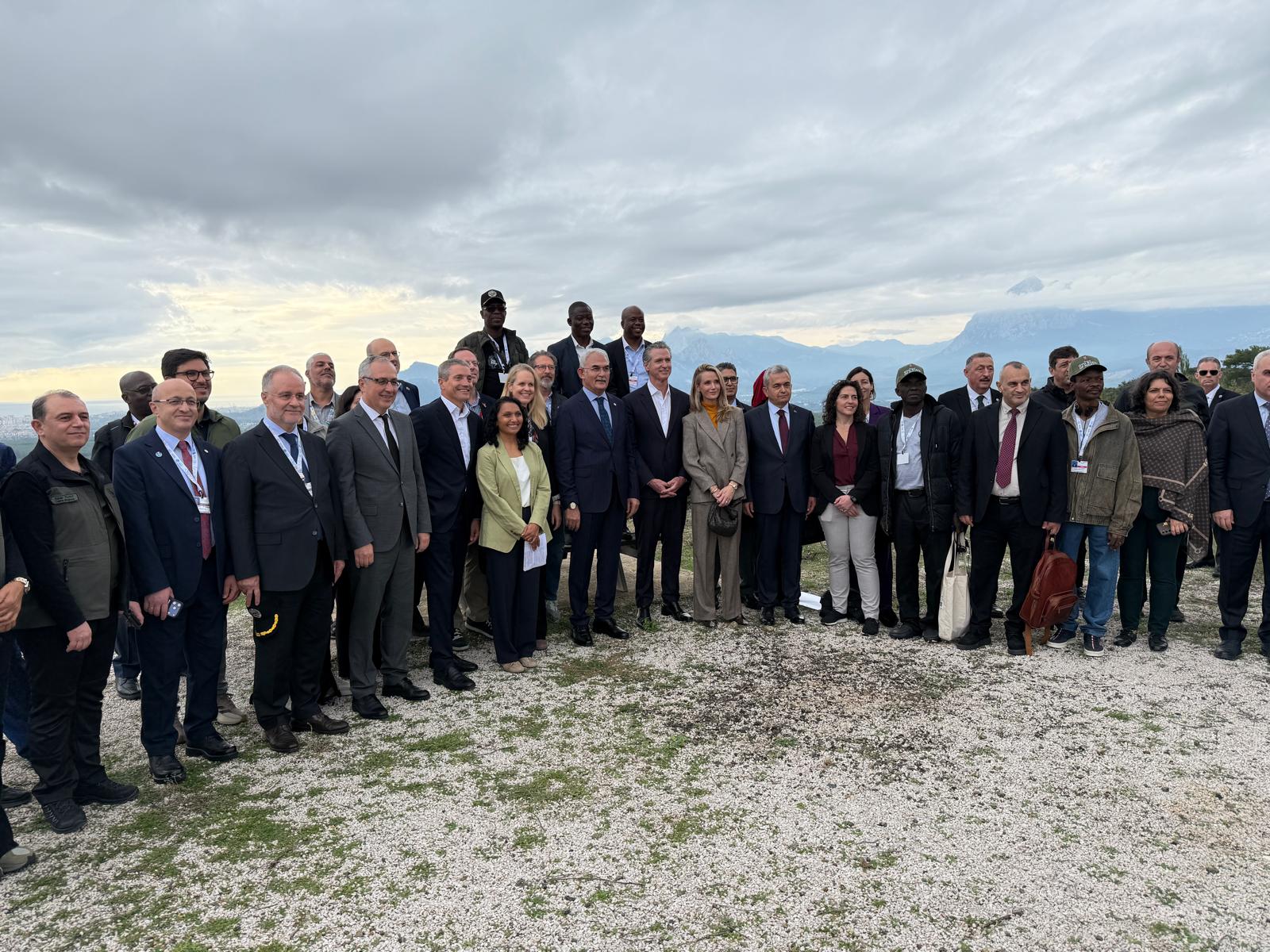
Mayors and governors from around the world honoured UN Secretary-General Antonio Guterres at his final COP in office.
The message was clear: cities, states and regions are delivering, and can go further with better access to finance, and a stronger national partnerships.
"If you want to go fast, go alone, but if you want to go far, go together.' And that's the spirit of the Under2 Coalition, that's the spirit of subnational leadership."
States and regions continue to deliver on Paris.
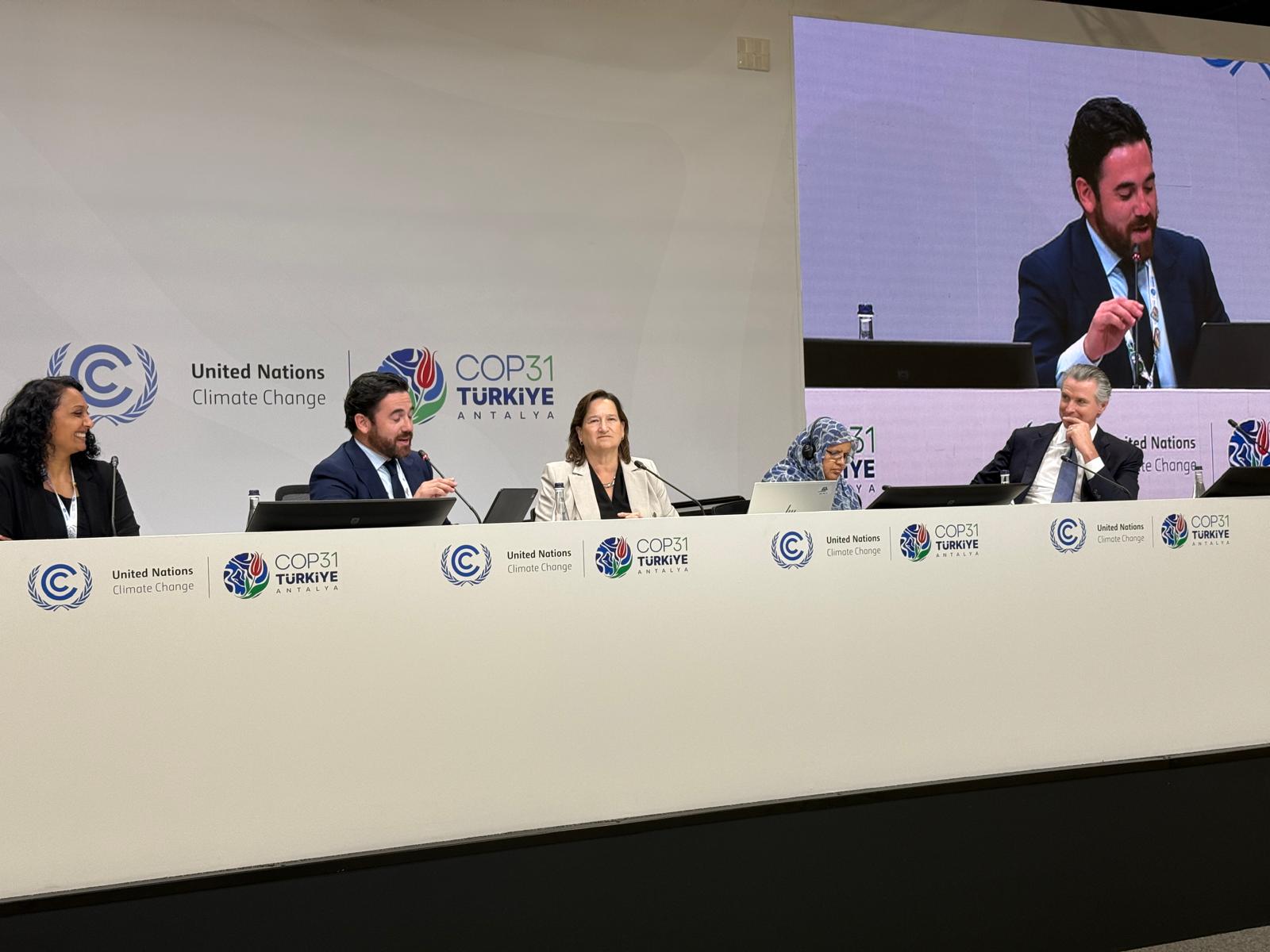
During the Subnational Leader press conference at COP31 Türkiye, Gavin Newsom, Under2 Coalition Co-Chair, reminds world leaders that "it’s a strategic imperative to change the way we produce and consume energy."
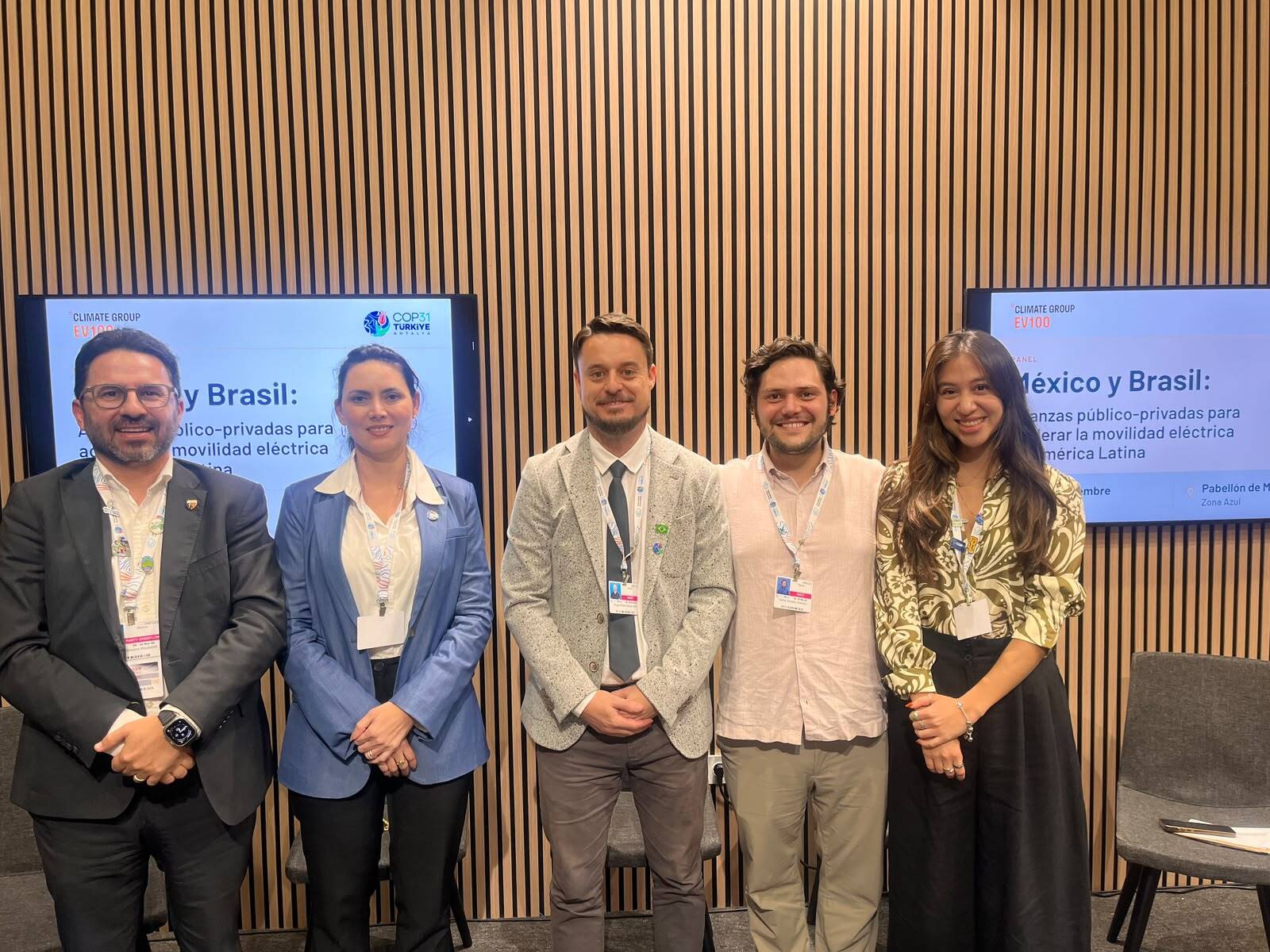
EV100 brought government and business leaders together to identify where fleets need charging infrastructure and what policy support could help smaller operators switch to electric vehicles. The exchange gave policymakers in Mexico and Brazil a clearer picture of what fleet operators need to make the switch
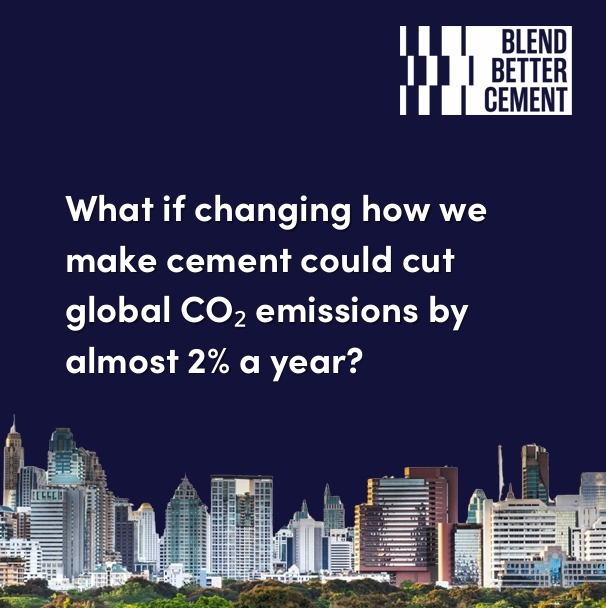
Increasing the share of blended cement used worldwide by 20 percentage points could cut annual global CO₂ emissions by almost 2%, according to Blend Better Cement analysis shared at COP31.
On Industry Day, the COP31 Presidency acknowledged a call to accelerate the use of blended cement, bringing the number of countries backing it to 14, including the UK and Ethiopia. The call urges governments to use public procurement and standards to grow demand for lower-carbon cement.
Shaping renewable electricity policy in Mexico and Indonesia
RE100 brought together local partners IDEA and IESR, Diageo and EY Indonesia to explore how companies can help both countries meet their energy and climate targets. Participants compared the barriers businesses face when buying renewable electricity and discussed how their first-hand experience can inform policy in both markets.
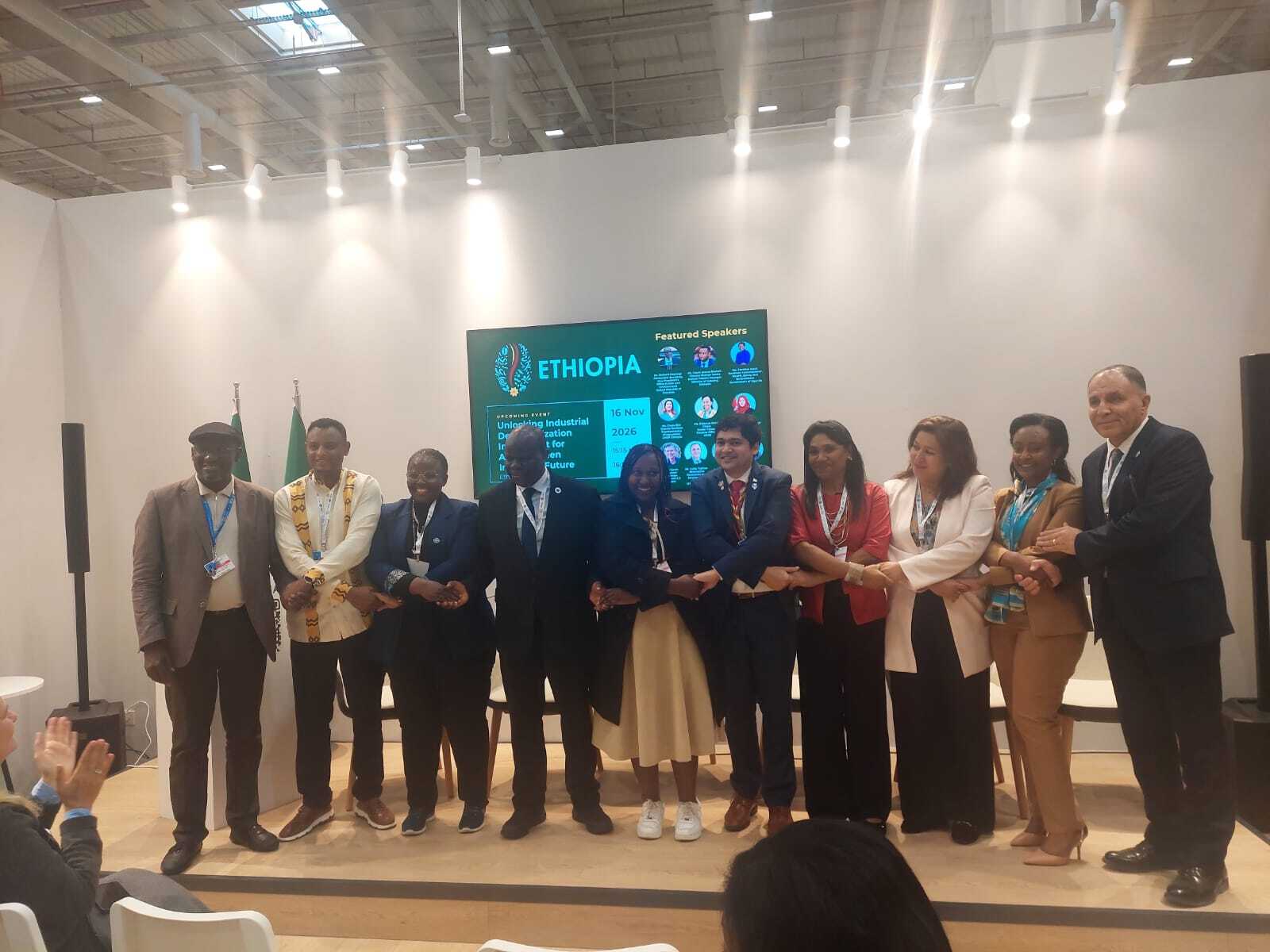
African countries signal support for blended cement ahead of COP32
At the Ethiopia Pavilion, African representatives marked their support for promoting blended cement across the continent with a handshake, giving the Blend Better Cement campaign momentum ahead of COP32 in Ethiopia. The event drew representatives from Uganda, Tanzania, Senegal, Nigeria and Kenya.
Do you have a timeline you want to show?
States, regions and cities are essential to delivering the Paris Agreement, from making infrastructure more resilient to expanding clean transport. At COP31, UN Climate Change Executive Secretary Simon Stiell called for stronger partnerships between national, regional and local governments to unlock investment and speed up delivery.
He highlighted two milestones in Antalya, including the launch of the Under2 Coalition’s Subnational Investment Forum, that brought governments and financiers together to help states and regions turn climate plans into projects that can attract investment.
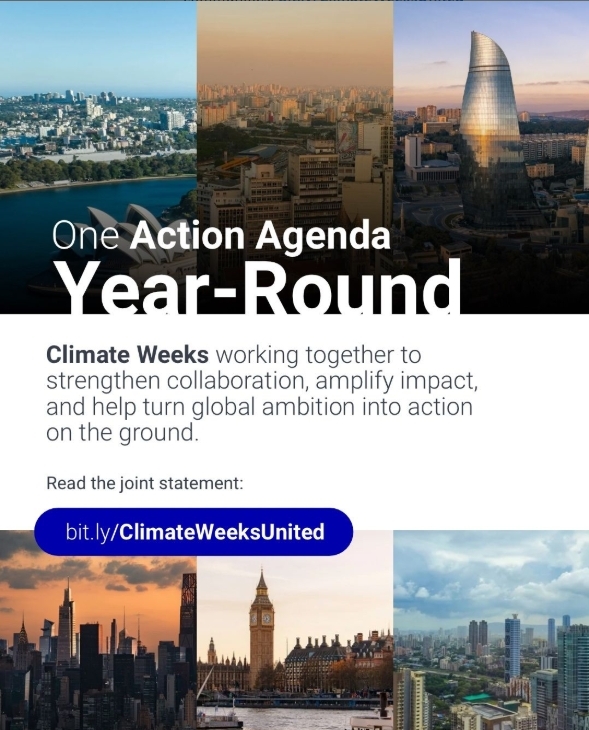
Today, nine climate weeks, including Climate Week NYC, signed a joint declaration at COP31 to accelerate climate action year-round and share what’s working across regions.
Organisers will collaborate around the six themes of the COP31 Action Agenda, support COP Presidencies and the Climate High-Level Champions, and report publicly on progress, outcomes and gaps. They are inviting more climate weeks to take part, particularly from the Global South.