

Subnational Methane Action Coalition
Why subnational governments
- While over 150 countries have signed the Global Methane Pledge, meeting its target – of reducing methane emissions by 30% below 2020 levels by 2030 – won’t be possible without significant efforts from states and provinces.
- State and regional governments are best positioned to lead on tackling methane emissions as they often regulate their three main sources: agriculture, energy and waste.
- Waste accounts for 20% of human-caused methane emissions. Landfills leak the gas when compostable waste is mixed with other rubbish.
- Agriculture, mainly in the form of livestock farming, is the largest source of methane emissions, accounting for 40%.
- The fossil-fuel-based energy sector – including oil, gas and coal – produces more than 35% of methane emissions.
Joining the Subnational Methane Action Coalition
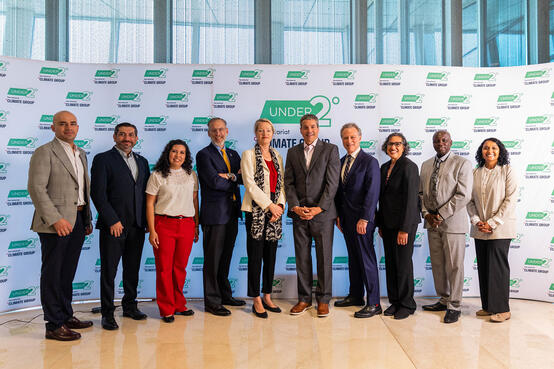
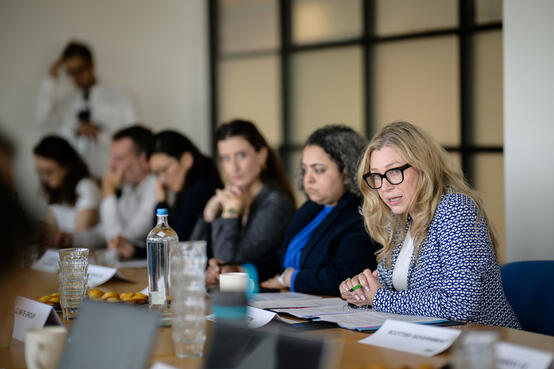
State and provincial governments have a unique opportunity to cut methane emissions through collaboration.
Free to join, the Subnational Methane Action Coalition enables them to share best practices, identify data gaps, create methane reduction plans tailored to local needs and secure recognition for their work. It also pairs them with technical and policy experts at the University of California, Berkeley and their networks.
Pilot project grants
The Subnational Methane Action Coalition’s first ever pilot project grants are open for applications until 10 April 2026. Four coalition members in Asia, Africa, and Latin America will each be awarded a small grant to fund pilot projects looking into new ways of cutting toxic methane emissions.

Membership benefits
- Expert support: Access financial, technical and policy resources.
- Peer learning: Share best practices and lessons learned with other governments.
- Tailored action plans: Support in designing methane reduction strategies that reflect each state or province’s unique geography, economy and culture.
- Technical assistance: Support from our network of technical partners, including policy guidance from the University of California, Berkeley; satellite data and remote sensing insights from Carbon Mapper; and inventory support from Climate TRACE.
- Finance opportunities: Unlock funding for pilot projects.
- Global recognition: Gain international recognition as a leader in the fight against methane.
Partners