Moving finance up the agenda: Mobilising Green Investment in Brazilian States
Can subnational governments' climate and transition plans drive implementation on the ground? Yes; in Brazil and globally, states, regions, and cities are key to reducing emissions and stirring the wheels towards a green economy.
Can subnational governments' climate and transition plans drive implementation on the ground? Yes; in Brazil and globally, states, regions, and cities are key to reducing emissions and stirring the wheels towards a green economy. Their action is critical to achieve national commitments in a way that reflects local realities and the interest of community members. So where is the gap? The answer: sufficient finance, and the ability to access it. And that’s where Mobilising Green Investment in Brazilian States project comes in.
The project explores innovative methods for states to translate ambitious policies and plans into robust and bankable projects that attract investment. With COP30 looming, it ensures that states have the technical capacity and the tools to create pipelines of viable projects to present to investors and broker the right partnerships to unlock their climate transition.
-Jun-18-2026-10-35-33-1825-PM.jpg?width=450&height=338&name=moving-finance-agenda-mobilising-green-i-TrainingGroup%20(1)-Jun-18-2026-10-35-33-1825-PM.jpg)
From Baku to Belém
COP29 failed to provide the financing needed to tackle the climate crisis, accelerate climate goals, and address implementation gaps. That has made projects like Mobilising Green Investment in Brazilian states essential – they support states in finding different sources of capital and shifting from green plans to green investments.
In a letter stating his vision for Brazil's highly anticipated climate summit, Correa Do Lago, COP30 President-Designate, called for COP30 to be the "COP of action and implementation" in a "mutirão". This word from the native Brazilian Tupi language means collective effort – in this case, against climate change. With that same vigour, Mobilising Green Investment in Brazilian States joins that mutirão, supporting states to move towards timely decarbonisation and resilience.
In Brazil, the challenge is two-fold: identifying climate funding opportunities and being ready to seize them. Current projects often lack key components and risk becoming unattractive to potential investors. This is where Mobilising Green Investment in Brazilian States steps in - starting with three partner states and ten states in the peer-learning community.
According to Jebi Rahman, Climate Group’s Head of Global Implementation, "The transition towards a climate-resilient and low-carbon economy is only possible when subnational governments are provided with adequate funding and the means to access it. Brazil's national government is walking the talk with initiatives such as the Brazilian Investment Platform. However, subnational governments, urgently in need of climate finance, are key towards transitions that reflect the interest of communities. This project is guiding states on a green economy pathway. We hope this will inspire other states, regions and cities in developing nations to tap into their spending power and unlock green investment."

Readiness to attract investments
Launched in 2024, the two-year project implemented by Climate Group and ERM is funded by the UK PACT in Brazil (Partnering for Accelerated Climate Transitions). It was born from previous engagements with Brazilian states within the Under2 Coalition, such as the Climate Pathways Project.
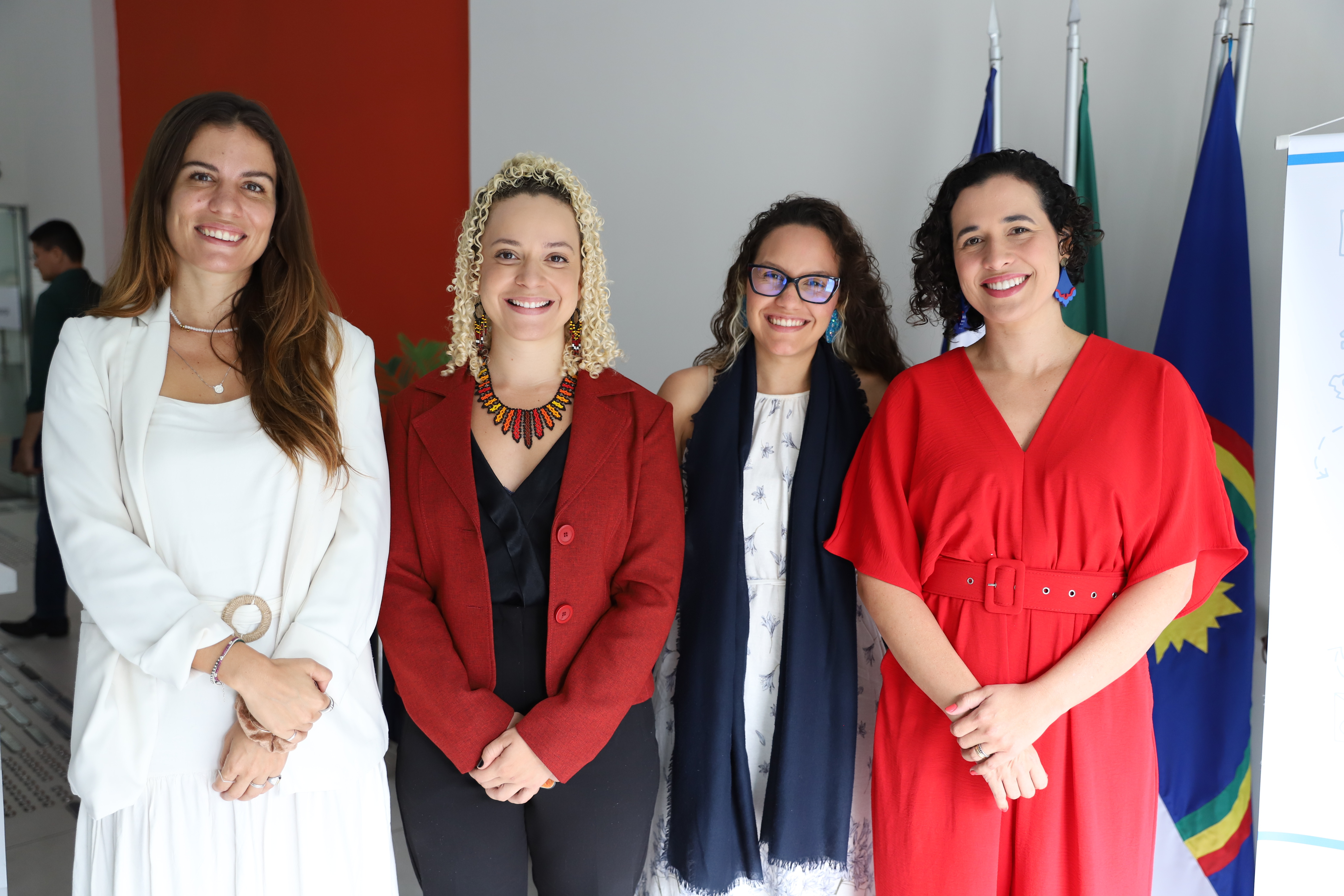
The project has partnered with three Brazilian states, Mato Grosso, São Paulo and Pernambuco. The primary goal is to create a pipeline of bankable projects. The project will build states' ability to communicate their financial needs and opportunities to investors.
"Bankability" is an essential concept. It means that the project can generate financial returns, enabling the mobilisation of different types of capital while maximising positive impacts. With the urgent need to decarbonise and build resilience for entire economies, the ability to mobilise all kinds of capital is fundamental.
States, regions, and cities also represent key pieces of the larger climate action puzzle. They can reduce financial and social risks by involving local stakeholders, and help to mobilise various types of funding for the transition.
The project also launched the States Community of Practice during the G20 Social in Rio de Janeiro, Brazil. This peer-learning community works with 10 Brazilian states throughout 2025. It will involve networking and learning from finance experts, and exchanging experiences on efforts to access funding for subnational climate priorities. The project aims to publish its results at COP30 in Belem.
The scale of this project is vast. While the three partner states, São Paulo, Mato Grosso, and Pernambuco, have a combined GDP of US $634 billion (larger than Denmark and South Africa's GDPs), the total GDP of all ten states is US $ 1,16 trillion – that’s (much) larger than that of EU powerhouses Switzerland and Belgium.
According to Felipe Nestrovsky, Consulting partner at ERM, “Adequate funding is essential for subnational governments to transition to a low-carbon economy. By guiding states towards a green economy, this project aims to inspire other regions and cities in emerging economies to invest in green initiatives. As a major global economic player, Brazil's efforts in this area are particularly significant and can set a powerful example for other countries.”
What has the project achieved to date?
Less than 12 months in, the project has delivered remarkable progress:
- Stocktaking: The project began with taking stock of states' climate plans and priorities, legal and financial powers, and their budget and climate funding experiences. This also involved an in-depth assessment of their potential sources of finance.
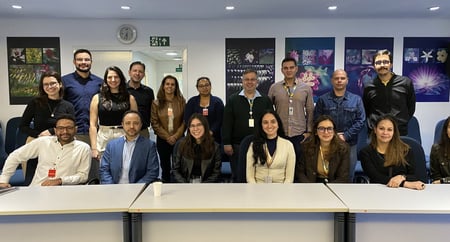
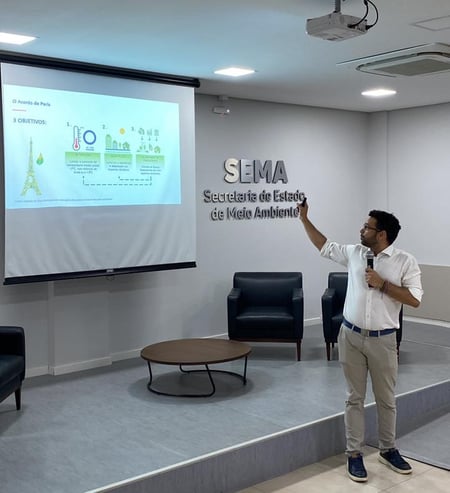
- Tailored capacity building: Following the assessment, the project focused on capacity building during twelve training sessions. Topics ranged from an introduction to sustainable finance to workshops on the structuring of specific financial instruments and how to develop bankable projects.
- Institutional preparedness: This phase built preparedness with diverse and forward-looking task forces for each of the three partner states. In Mato Grosso, for example, the project's task force was integrated by resolution into the Mato Grosso Forum on Climate Change, a governance body led by the state government.
The task force will help refine tools to guide project development in the months ahead. Participants will also identify finance opportunities and develop them into climate project pipelines to be presented to potential funders.
With all eyes on Brazil and all hope hinged on COP30 succeeding where COP29 failed, we must look to subnational leaders as the driving force of climate action. They are holding up the implementation scaffolding. We need to ensure they are not left behind when it comes to climate funding. To fund states, regions, provinces, and cities is to fund the future.