
A pathway to forest protection in Amazonas, Brazil
PDFA pathway to forest protection in Amazonas, Brazil (1).pdfSize: 1.1 MBDate added: 03/11/21Download
Case study | 19 July 2021, 12:41 UTC

Key areas
Major Programmes
Climate Week NYC
Showcasing amazing climate action
24/7 Carbon-Free Coalition
Powering a carbon-free future
ConcreteZero
Creating a market for net zero concrete
Smart Energy Coalition
A growing group of energy-smart companies committed to improving their energy efficiency.
EV100
Our global network of corporate leaders driving the transition to zero-emission road transport
RE100
The world’s most influential companies, committed to 100% renewable power
SteelZero
Building demand for net zero steel
Under2 Coalition
Driving climate action in states and regions
Case study | 19 July 2021, 12:41 UTC
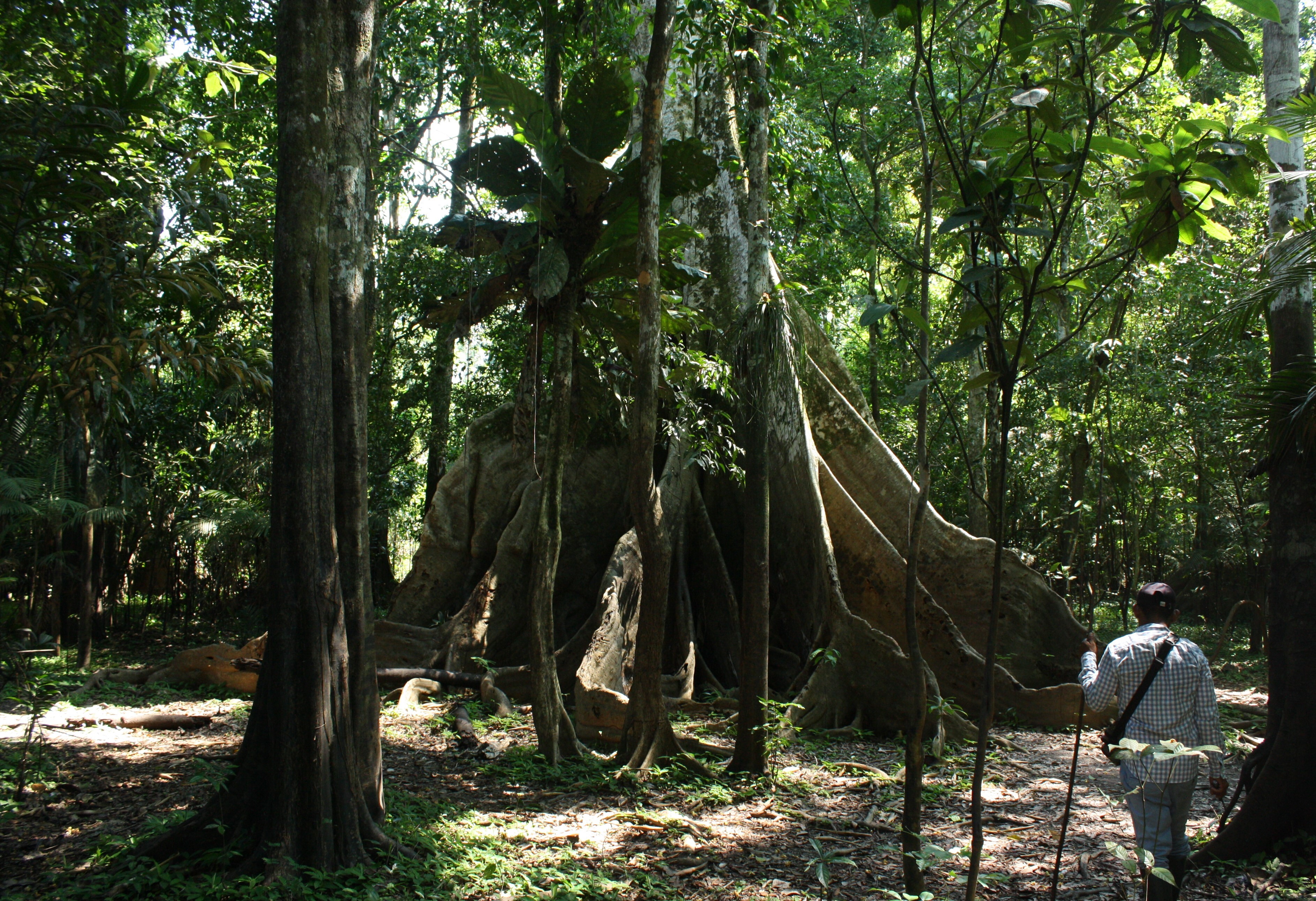
The Government of Amazonas, Brazil, has targets in place to reduce greenhouse gas emissions 46% by 2030, and 95% by 2050. With the support of the Climate Pathway Project, the government has been developing a transformational emissions reduction pathway to achieve these goals.
Agriculture, forestry and other land use (AFOLU) is the largest emitting sector in the state, and so the emissions reduction pathway places a focus on nature-based solutions, including:
The government firmly believes that acting on climate change, while also preserving natural resources, will improve the wealth of its citizens in a sustainable way.
Find out more in Amazonas' case study - available to download below in English, Español & Português - which was developed as part of the Climate Pathway Project.
The Climate Pathway Project supports state and regional governments to develop a transformational process, or ‘pathway’, to reducing emissions while supporting economic and social development, in collaboration with local communities and businesses.
Size: 1.1 MB
Date added: 03/11/21
Size: 1.1 MB
Date added: 03/11/21
Size: 1.1 MB
Date added: 03/11/21