


Piloting Electric heavy-duty transport
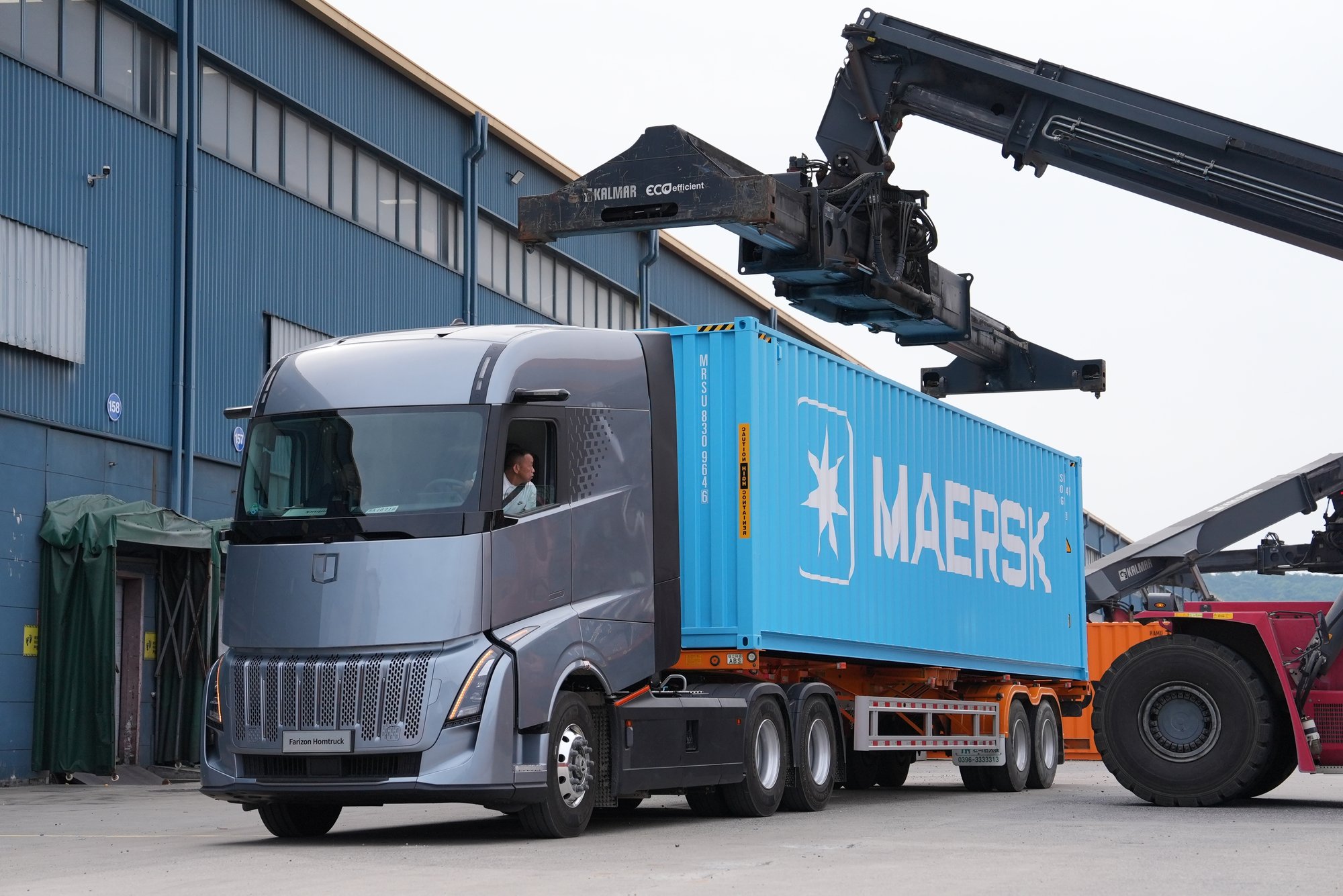
When Maersk put over a hundred electric trucks on the highways of California, from 2022 on, it was one of the first logistics companies to invest in e-trucks at scale. A year later, it ran pilots in Germany and China, both with their own assets and through partners. Being an early adopter has come with challenges, but the Denmark-based multinational, a founding member of EV100+, wanted to show industry – and its customers – that it can be done.
As of 2024, battery electric technology has advanced even further. The potential of TCO1 parity is no longer a dream, but achievable through further scaling and careful deployment considerations in the early years – proof that the company has chosen the right path.
When Maersk started trialling electric trucks, it could see some benefits instantly: drivers complained less about fatigue and recorded greater happiness overall. Noise pollution was down – both in traffic and in operational zones – and at warehouses, distribution centres, and ports, staff were exposed to less air pollution.
Successful pilots are being followed by country-specific EV strategies
The pilots were a success: in 2023, the company, which operates worldwide in supply chain cargo logistics, confirmed battery-electric vehicles (BEVs) as its lead technology for all landside transportation. Ambitious internal targets focus the transition to EVs, while sending a clear signal to logistics partners, customers, and original equipment manufacturers (OEMs).
Moving beyond these trials, Maersk is currently developing decarbonisation strategies specific to the countries it operates in. For each geography, it sets ambitious but achievable electrification targets, develops a detailed mapping of the local ecosystem, and charts the steps that need to be taken to advance the move to electric trucks.
With careful planning, parity with diesel is possible today
A favourable policy framework has helped Maersk kick-start its transition. Clear deadlines to end fossil fuels, as in California, and GHG emissions reduction targets, as in the EU, were seen as particularly helpful and should be a key ask of policymakers, the company says.
Based on its experience, Maersk thinks electric trucks can reach TCO parity with diesel today – but careful planning is needed. The company recommends that peers set clear targets for themselves and their transport partners, be willing to change operational patterns to increase EV use, and plan the necessary charging infrastructure before any orders are placed.
“Maersk remains fully committed to meeting our GHG emissions reduction targets of net-zero by 2040 and assisting our customers in meeting their targets. For road transportation, we see the EV transition as the primary long-term solution, and we’ve made direct investments in line with this strategy. However, Maersk continues to rely on support from the industry, regulators and – the starting point for all we do – our customers. EV100+ has been and remains a partner for Maersk to facilitate conversations between like-minded ambitious companies and provide consolidated input to legislators.” – Kenny Kristensen, Head of Energy Transition – Landside Transportation, Maersk
Maersk is a Denmark-based container logistics company that operates worldwide. The company joined the EV100+ initiative as a founding member in 2022. These members have committed to transition their fleet of vehicles over 7.5 tonnes, known as medium- and heavy-duty vehicles (MHDVs), to net zero GHG emissions by 2040 in OECD markets, China and India. Representing just 4% of all vehicles on the road globally, MHDVs account for 40% of all road transport GHG emissions and a third of total transport fuel use.