


Teaching mining how to be EV
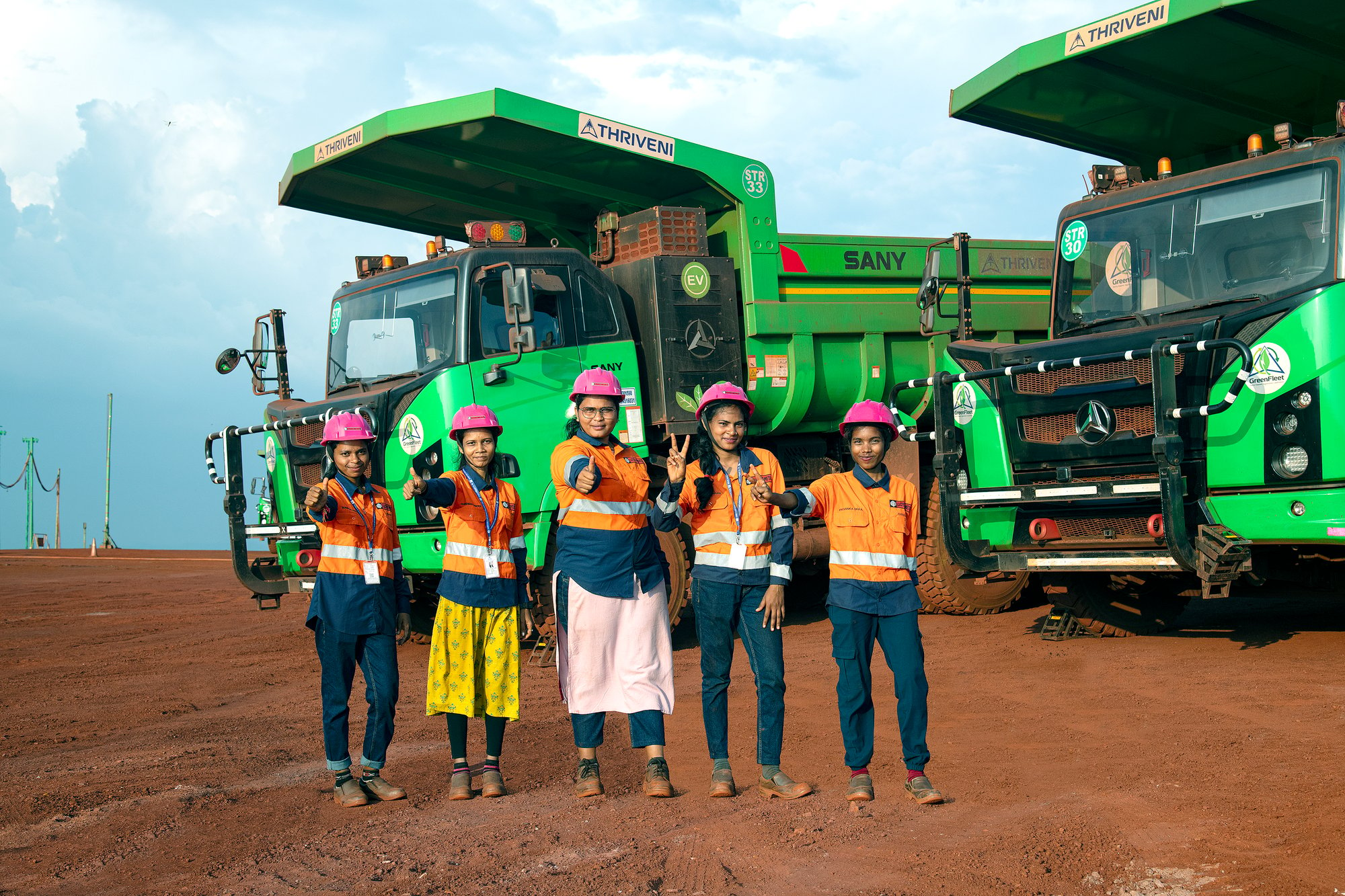
The Vidarbha region of Maharashtra, India – where Lloyds Metals and Energy (LMEL) is mining for iron ore – is so remote, a grid connection is hard to come by. It’s testament to the determination of the EV100+ member in pushing its electrification agenda that it managed to be connected anyway – in very little time.
Through reverse engineering and repurposing, the integrated mining and steel company is transforming existing equipment to run on electricity. The ambition to produce green steel, coupled with a striving for operational efficiencies, is driving fleet electrification in an industry where it can seem difficult to achieve.
In the heart of Gadchiroli, amidst the dense forests and rugged terrain of Surjagarh Hills, lies one of Maharashtra’s most significant mining projects. LMEL’s mine, rich in high-grade iron ore, held the promise of industrial growth and economic upliftment for the region. However, there was one major obstacle—the lack of electricity.
In 2023, LMEL collaborated with the Maharashtra State Electricity Distribution Company to launch its ambitious electrification plans. LMEL funded and facilitated a high-voltage transmission line, running several kilometres through the forested, hilly terrain. A power transformer and substation were installed near the mine, a solar power system was integrated.
When the first transmission line was switched on, in early 2024, it transformed the region: mining efficiency went up, new jobs were being created, and nearby villages were receiving household electricity for the first time.
Innovative engineering and pilot projects are driving a fast transition
Next LMEL looked at its equipment. A team of engineers converted two diesel-powered Tata Hitachi diggers to run on electricity. The impact was instant: 79,500t CO2 net were saved within a year by preventing 29,500kl of diesel usage. The project – which also allowed the team to incorporate new safety features, such as an emergency stop in the operator’s cabin – now serves as a prototype for other machines. Separately, LMEL ran pilots to optimise the battery design in two of its specialist trucks (HEMM). Now, nearly 80 HEMM trucks are running electric.
Reduced operating costs, greater energy efficiency, and reduced dependency on fossil fuels – the economic benefits for LMEL’s transition were easy to see. But the company also points at organisational benefits: not only is morale growing because employees take pride in contributing to a more sustainable future; the accelerated adoption of new technologies is also spreading a new culture of innovation. The company feels more agile, adaptable, and competitive.
Solar and wind are due to start powering the electric set-up
In a next step, LMEL has signed a Memorandum of Understanding with a green energy provider. Contractual energy supplies, generated from solar and wind, are due to begin in the second quarter of 2025. Supplies will progressively increase throughout the year, starting at 100MW and ultimately reaching 100% renewable energy.
“As India moves towards a low-carbon future, our commitment to electric vehicles reflects our belief in sustainable progress and the role clean energy plays in shaping a healthier tomorrow. Being part of EV100+ strengthens our commitment to a greener future by providing advocacy and policy support, helping us navigate complex regulations and access valuable incentives that enhance our transition to electric vehicles.” – Balasubramanian Prabhakaran, Managing Director, Lloyds Metals and Energy
Lloyds Metals and Energy Limited is a pioneer in the metals and mining sector in India. With over 50 years of experience, the company has built a strong reputation as a reliable supplier of iron ore, DRI and pellets to leading steel producers worldwide. Lloyds aims to transition to operating with a 100% battery-operated and electrically converted medium and heavy-duty fleet by 2040 at all the operational locations. The company joined EV100+ in 2024.