

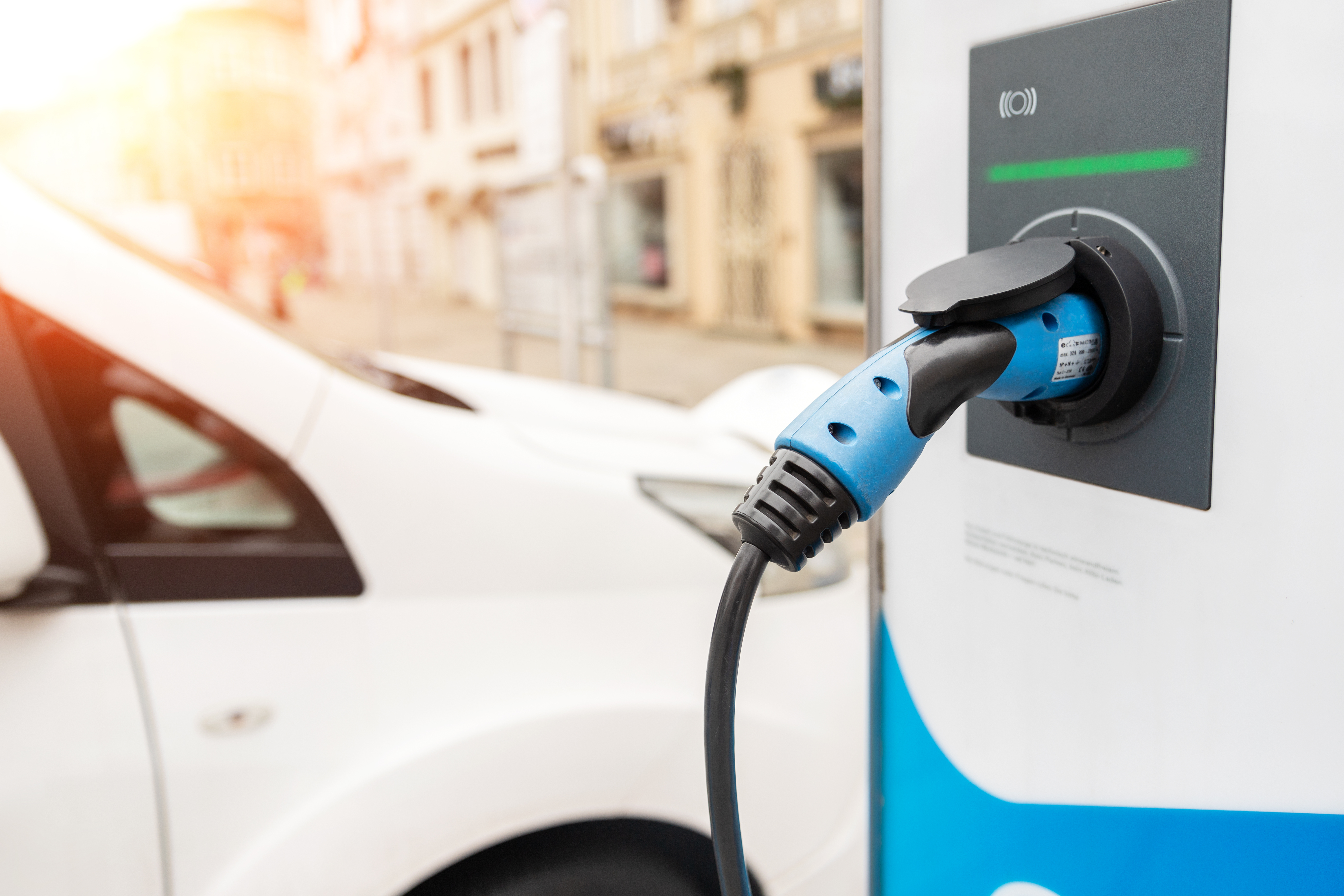
- AstraZeneca has electrified more than 80% of its 22,000 vehicles, showing that full electrification is possible across a diverse, global fleet
LONDON, 3 August 2026 – Global companies are rapidly electrifying road transport. More than 70% of the world's leading corporate fleets did not add any new petrol or diesel vehicles last year, with clean, cheaper-to-run electric vehicles (EVs) quickly becoming the new standard.
The latest EV100 Progress and Insights Report, published today (Monday), shows that fleets are actively phasing out fossil fuel vehicles, as businesses look to protect themselves from fuel price volatility and future-proof operations.
The report analysis across 140 markets also finds:
-
One in five EV100 members has electrified over 50% of its entire fleet, with some going even further.
-
AstraZeneca have electrified more than 80% of all their vehicles.
-
EV100 members avoided nearly 3 million tonnes of CO2e emissions since joining the initiative.
-
More than 48,500 charging units were installed across 6,000 locations globally by EV100 members.
-
In the last year, EV100 members deployed almost 24,000 EVs on the road in emerging EV markets, taking the number up to 70,000 deployed since joining the initiative.
Dominic Phinn, Head of Transport at Climate Group, said: "Corporate fleets are showing that the transition to electric vehicles is no longer a future ambition; it is happening now, at scale. They know EVs are cheaper to drive, they’re cleaner, and need less maintenance. Across markets, companies are moving from testing EVs to embedding them into core business operations. Their experience provides real-world evidence that electrification can deliver across diverse geographies, business models and operational requirements."
AstraZeneca, the global pharmaceutical company, has electrified more than 80% of its global fleet of over 22,000 vehicles, and has fully electrified its fleets in 37 markets, proving that electrification is viable across the globe.
Stuart Poore, Executive Director Climate and Nature Strategy at AstraZeneca, said: "Driving change through collective action is essential – we recognise that no single company can achieve this global transition alone. Our fleet electrification is part of a broader transformation that's already underway."
The EV100 network, founded by Climate Group in 2017, is increasingly focused on supporting fleet electrification in emerging markets, including Latin America, Africa and Asia, where members are creating demand, expanding charging infrastructure, and accelerating the transition to zero-emission transport.
Access the full report here: https://www.theclimategroup.org/hubfs/Climate%20Group%20EV100%20-%20Progress%20and%20Insights%202026%20Report.pdf
ENDS
For media enquiries and interview requests, please contact Daniel Kramb at dkramb@climategroup.org and Advaith Jaikumar at ajaikumar@climategroup.org.
Notes to Editors
- EV100 is a network of 120+ global companies committed to 100% electric fleets. It was founded by Climate Group in 2017.
- Members include AstraZeneca, IKEA (Ingka Group), GeoPost, BT Group, Maersk, Siemens, and Coca-Cola Europacific Partners. A full list of members is here: https://www.theclimategroup.org/our-members
- The EV100 Progress and Insights Report is published annually to report on member progress towards their goals. Companies choose their exact reporting period, covering one year, up to no later than October 2025.