

Welcome to our live blog featuring the latest updates from the Opportunity Summit at London Climate Action Week, hosted in partnership with the Mayor of London.
*
As our networking drinks begin, we want to thank all the speakers and delegates for their insights across the day and thank you to our partners for helping to bring the Opportunity Summit to life.
Join us at our next event, Climate Week NYC, 20-27 September.
If you're interested in partnering with us at this year’s Climate Week NYC, do get in touch.
Today's discussions are designed to drive action beyond the event itself. Working with Polecat, we're monitoring how the actions and announcements launched at Opportunity Summit influence decision-making, investment, partnerships and policy in the wider world.
*
Leadership briefing
The five forces reshaping energy in 2026
The opportunity lies in identifying where power is available today, where additional capacity can be unlocked tomorrow, and using energy strategy as a source of long-term competitive advantage.
*
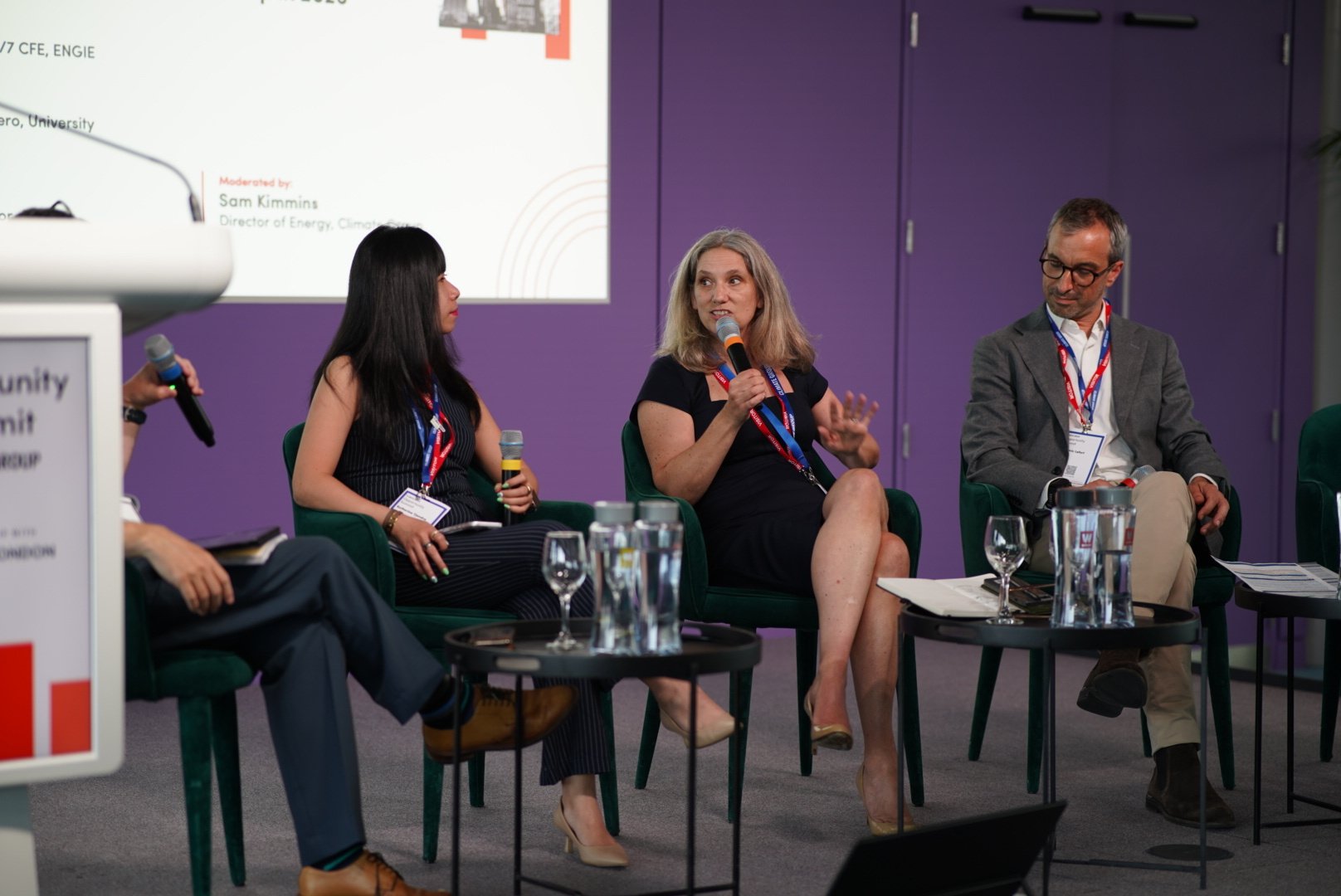
Our panel explored why energy strategy is business strategy. Speaking on the opportunities ahead, Emily Shuckburgh argued that the technologies needed for the transition already exist.
“We have everything we need to transition. Delivering clean, reliable and affordable energy for everyone is both a major challenge and a major opportunity. It's a hugely exciting time to work in the energy sector.”
*
As energy demand grows and power systems become more complex, innovation will be key to balancing the grid and unlocking new opportunities. Fabien Chene, Head of Sustainability Business Europe, Schneider Electric stated:
“For decades, electricity distribution was largely linear. Now the grid is becoming more complex: more demand, more distributed generation, more direct current. Innovation is essential to balance this new energy landscape and turn complexity into opportunity.”
*
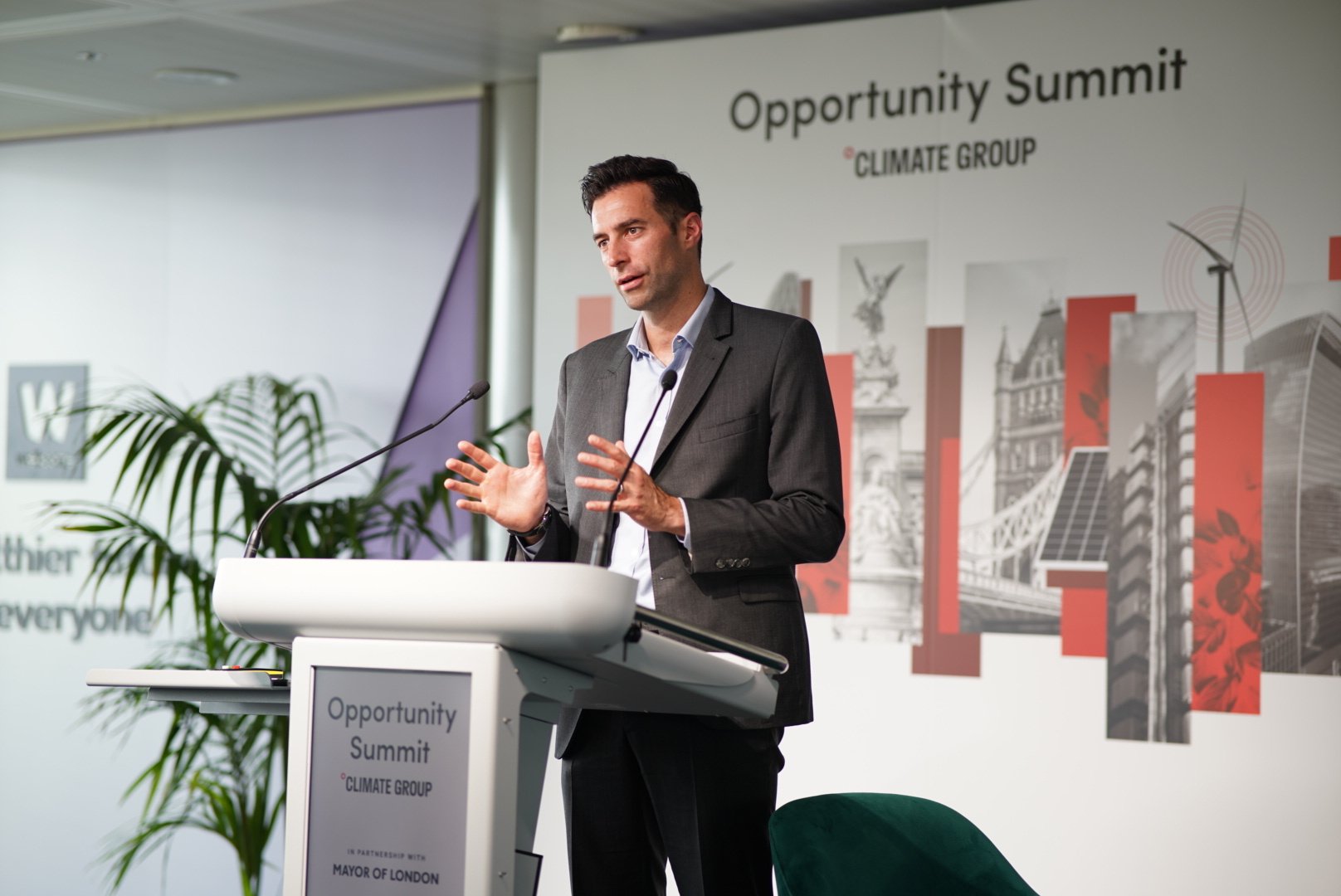
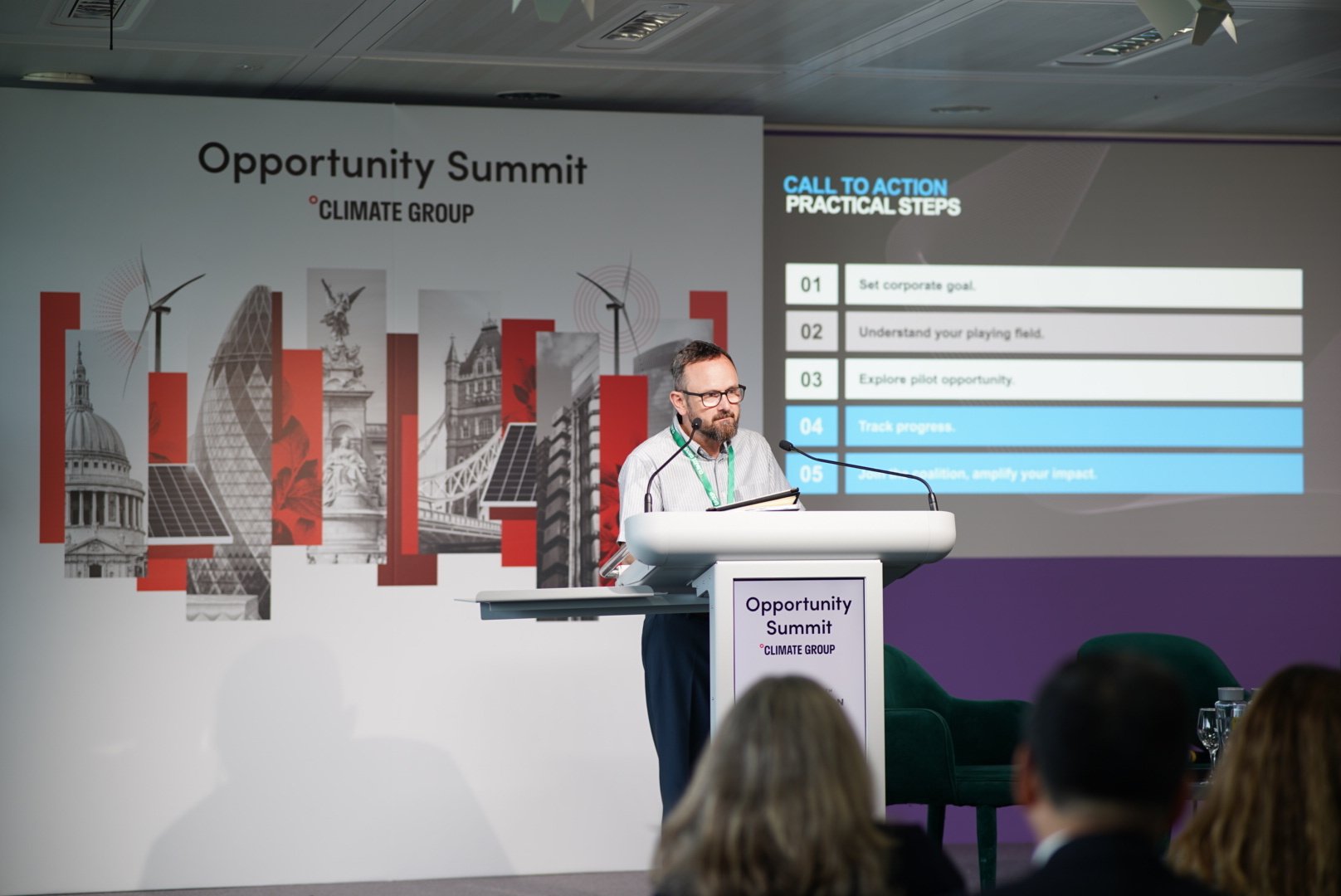
Our Director of Energy at Climate Group, Sam Kimmins opened up our Leadership Briefing focusing on the vast toolkit available to us today, both in renewable energy and energy efficiency. The progress we've made has been incredible, not only as an achievement in its own right, but as a buffer against volatility. He states, however, that "the problem hasn't gone away, but it has changed." The key question now is: can we secure reliable, and affordable electricity?”
*
Workshop
Our workshop this afternoon Net zero hasn’t failed - How we’ve framed it might have hosted by SE Advisory Services has kicked off behind closed doors. We're focusing on how net zero is shifting from a sustainability commitment to a business strategy, yet many companies are leaving significant value on the table.
*
Opportunity Town Hall
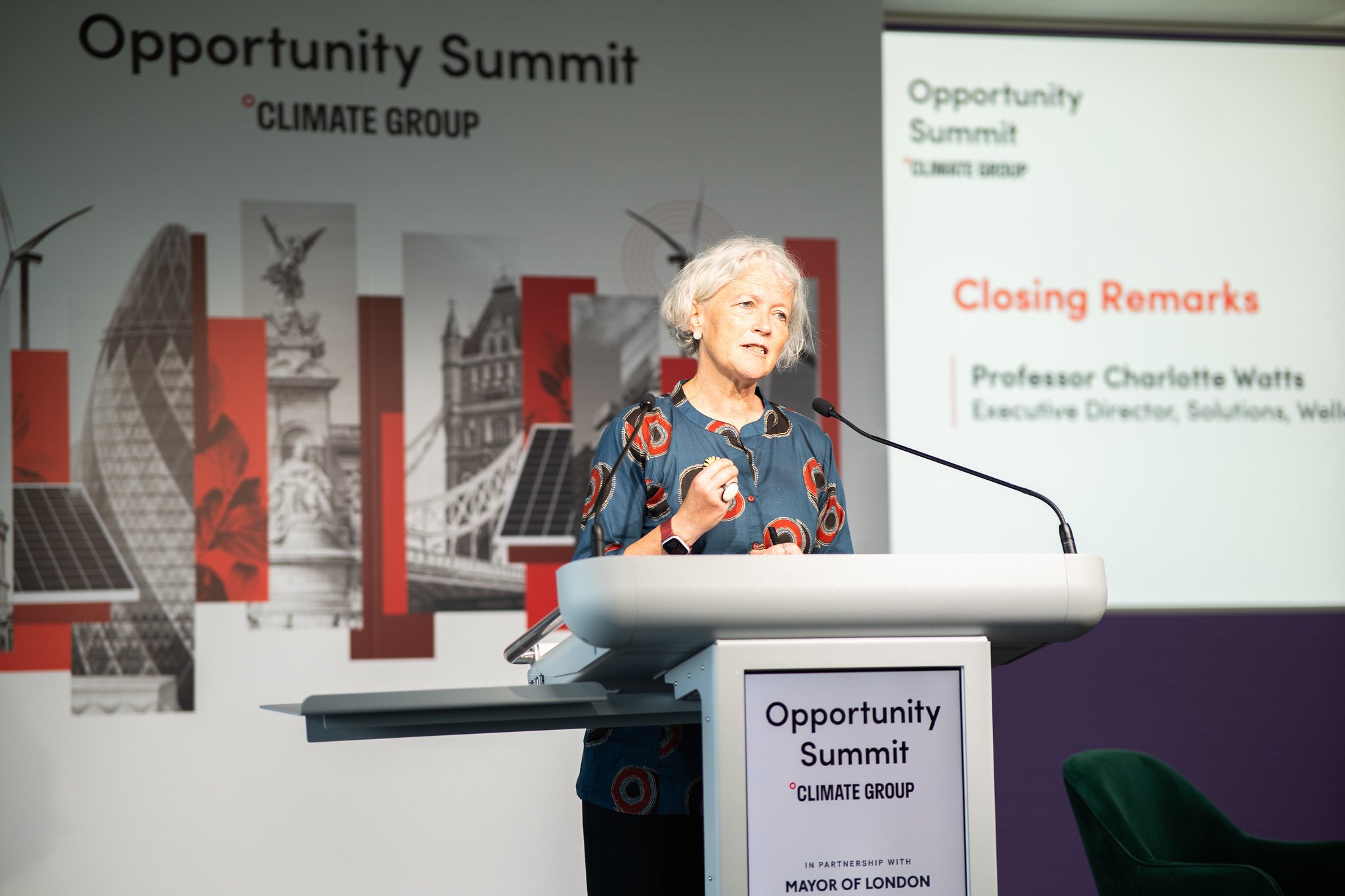
In her closing remarks, Professor Charlotte Watts, Executive Director, Solutions, Wellcome, celebrated the "range of really exciting business opportunities" in front of us, and urged the audience to "be braver and be more disruptive."
*
*
It’s not expensive; it’s just about understanding the application."
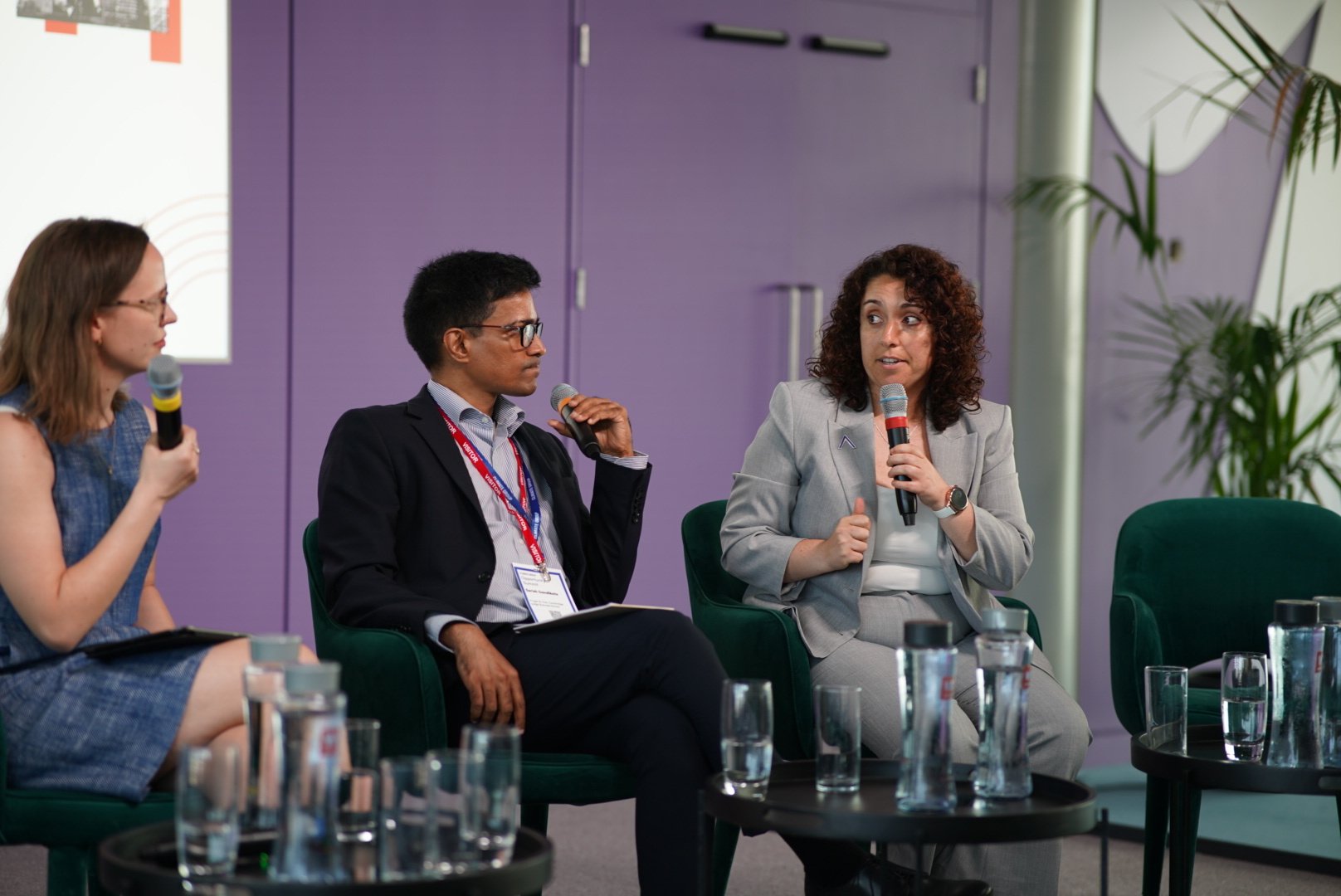
In this session we’re looking at Europe’s powerful AI playbook – smarter, leaner, but how fast can we move, moderated by Olivia Rudgard, Reporter, Bloomberg Green.
Serish Gandikota, Co-Founder and Co-Director, Frugal AI Hub Visiting Fellow, Cambridge Judge Business School; Dominique Silva, Marketing Leader EMEA, Trane Technologies; and Ashish Khanna, Director General, International Solar Alliance are here to discuss how fast we can move on renewables.
*
Rianne Buter, Global Head of Sustainability, Unilever, is on stage as we launch Climate Group’s 24/7 Carbon-Free Coalition.
“Achieving 24/7 carbon-free electricity at scale depends on collaboration. It requires policymakers, grid operators and market specialists to enable the right market rules, infrastructure, and data systems. It requires energy suppliers and developers to respond with new offerings.
And it requires more companies to step forward – to build scale, shared standards, and confidence. That is why we are joining this coalition.”
*
Eva Riesenhuber, Global Head of Sustainability, Siemens:
“If there’s one superpower of Europe that no one talks about it's efficiency. We’re a resource constrained continent and we’ve always built for efficiency.”
“We don’t have a shortage of renewable energy; we have a problem getting it onto the grid.”
“We need to use our grids a lot more efficiently... we can only do that by making them smarter.”
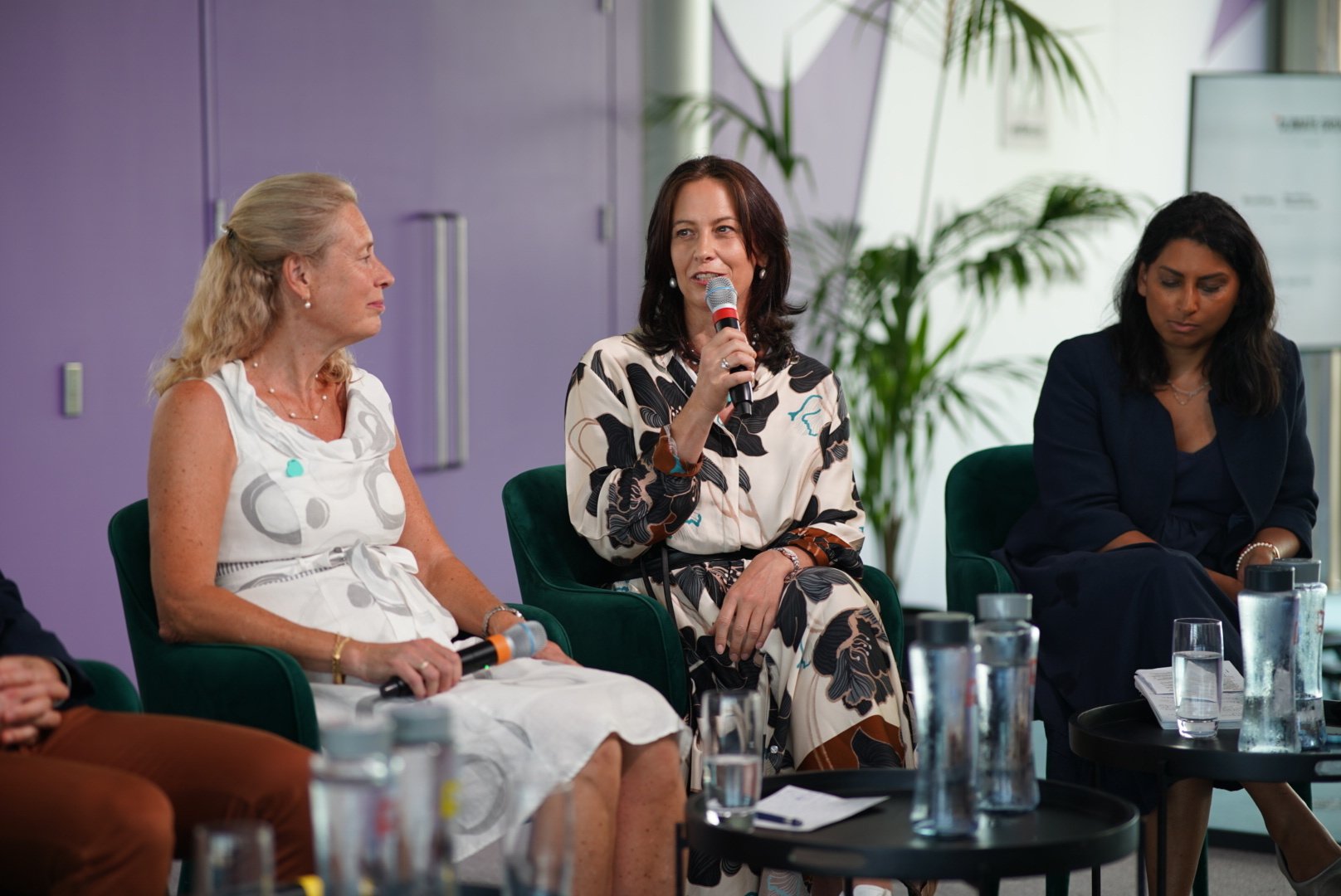
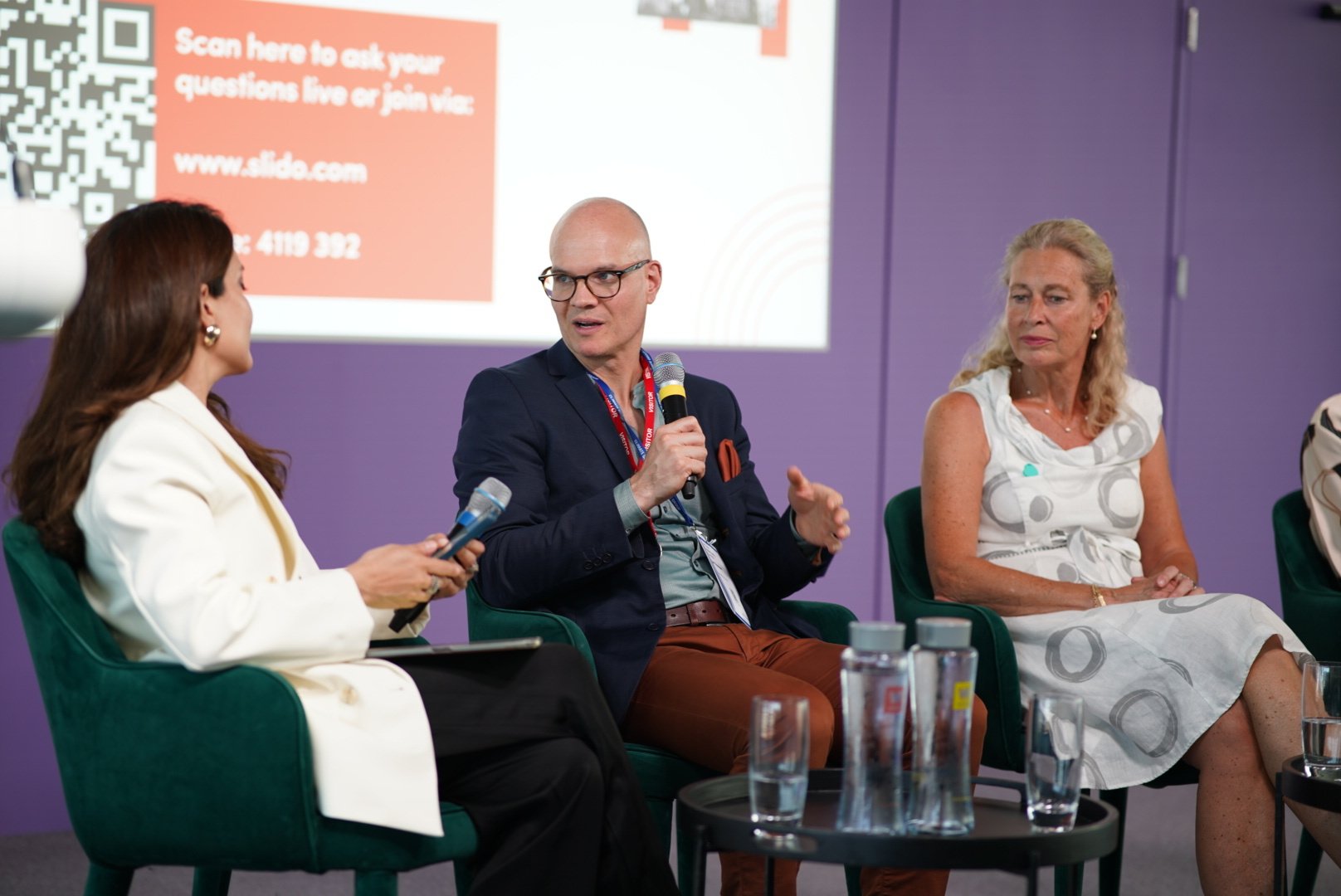
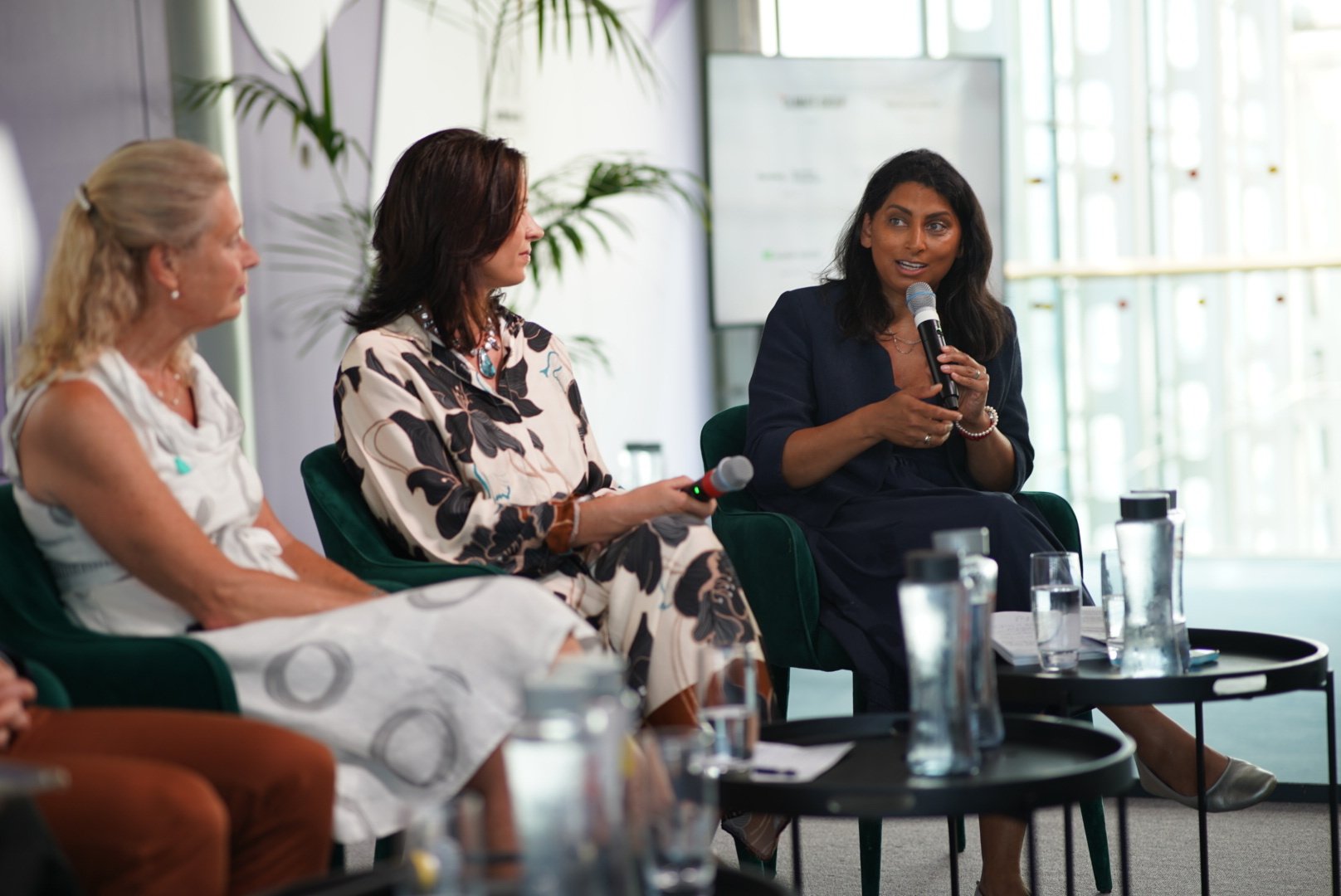
Eva Riesenhuber, Global Head of Sustainability, Siemens; Dhara Vyas, Chief Executive, Energy UK; Jan Rosenow, Professor of Energy and Climate Policy, University of Oxford & Annika Ramsköld, Vice President of Sustainability, Vattenfall are discussing impressive renewables progress in Europe amid energy supply shocks. Plus the power of energy efficiency and the roll out of AI enhanced smart grids.
*
“Science impels us. The economy literally beckons us, there’s a lot of money to be earned. Health and security dictates us… if the market internalises this transition there’s no stopping that,” says Agotha.
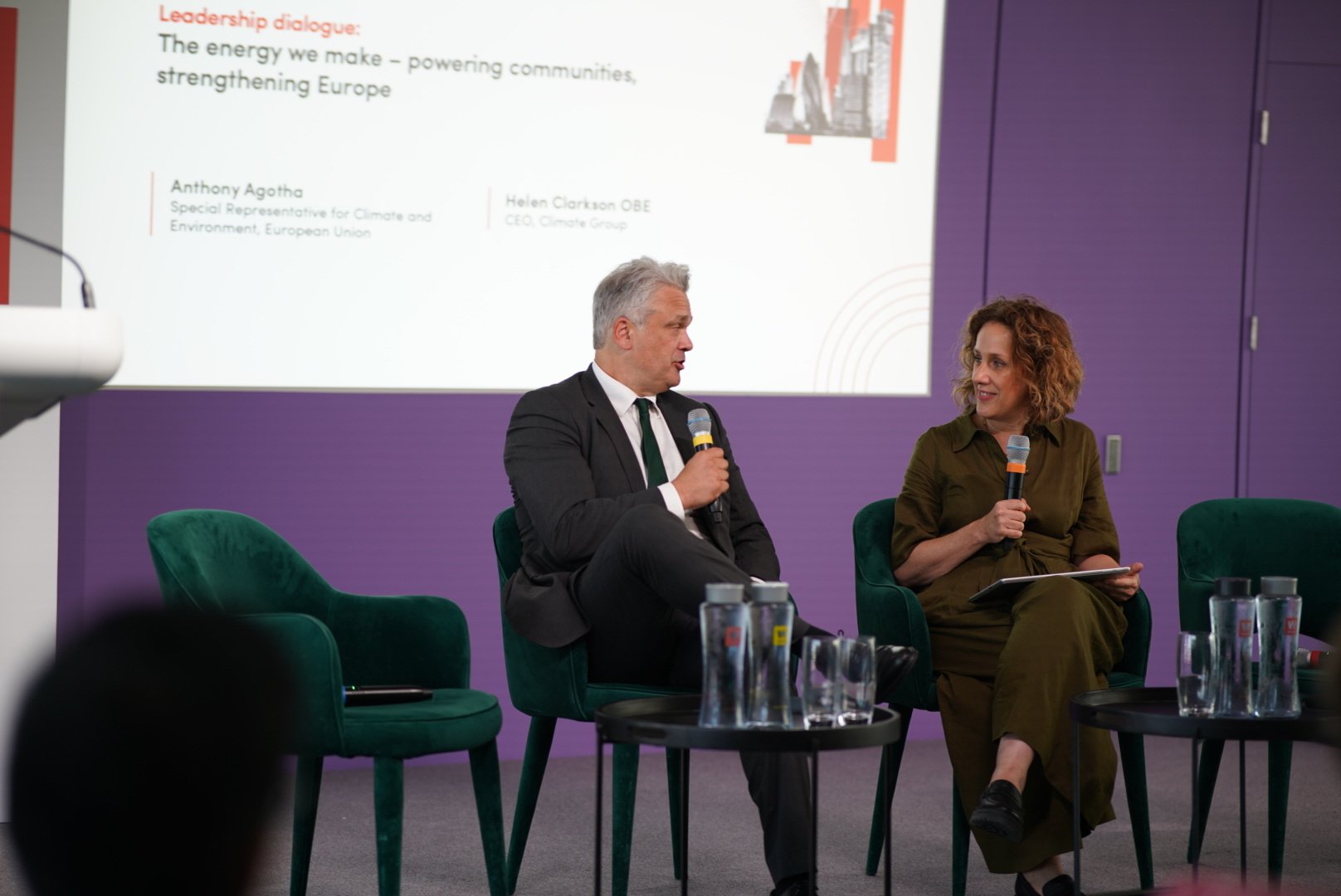
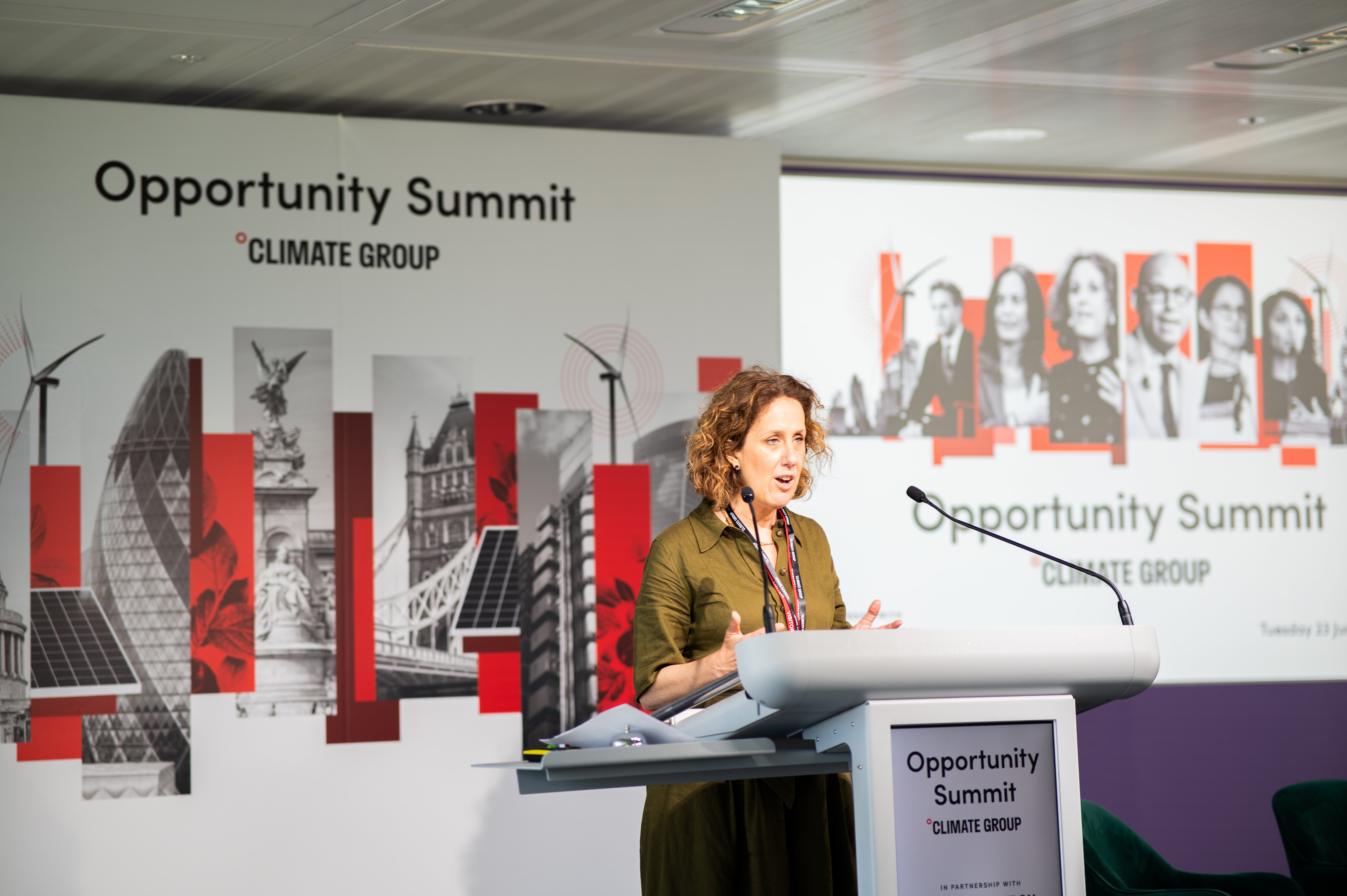
Our CEO Helen Clarkson has kicked the day off speaking to the best and brightest in business and government here in Europe.
“Despite some of the strongest political backlash we’ve seen in decades, you can see that the money keeps moving in one main direction, and that’s clean energy.
Businesses and governments aren’t investing that capital for their moral conscience or even to get emissions down: it’s because it makes economic sense.”
Workshop
The AI advantage – Europe’s pathways to investible impact
We started our inaugural Opportunity Summit with a closed door AI workshop moderated by Systemiq. European leaders explored how to accelerate AI-driven competitiveness while ensuring the infrastructure behind it supports climate, resilience and sovereignty goals.