

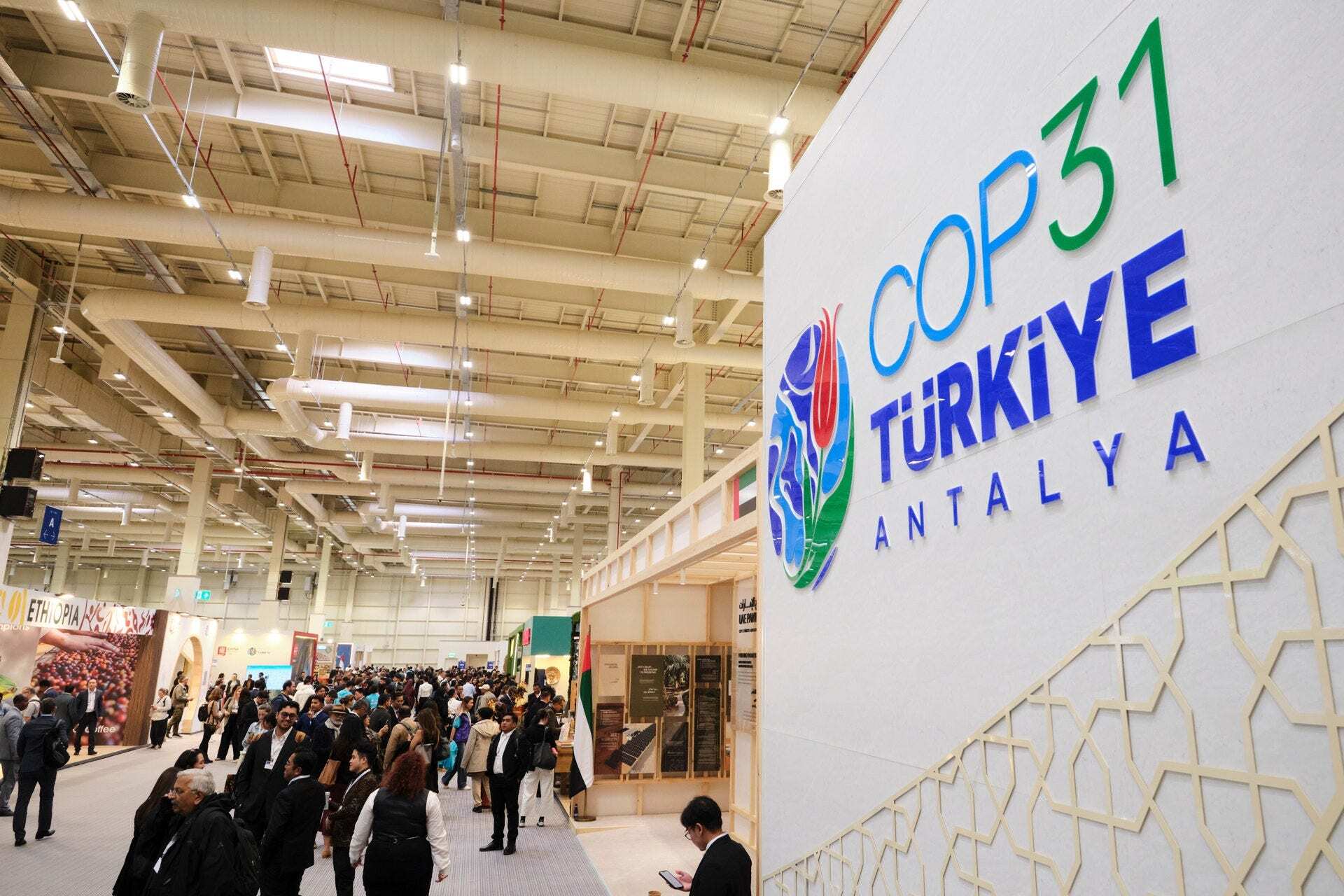
Methane has never been more important. The COP31 Presidency wants to halve the growth in global waste by 2035. Most of the powers to deliver that, from landfill permits to dumping rules and enforcement, sit with states and regions.
Methane drives nearly a third of current warming and breaks down in about a decade, so cutting it slows warming fast. As things stand, countries are on track to cut methane by only about 8% by 2030, against the Global Methane Pledge's goal of 30%. Waste is growing too. Municipal solid waste is set to rise from 2.1 billion tonnes in 2020 to 3.8 billion by 2050.
Our new briefing from the Subnational Methane Action Coalition (SMAC) shows what they're doing to cut it, and what they need from COP31 Parties to go further.
What's inside
- Regional case studies – See what Rio Grande do Sul, Buenos Aires Province and Catalonia did, and what changed as a result.
- The finance gap – Learn why waste methane projects get about 30% of the finance they need, and how projects can earn revenue from biogas or avoided emissions.
- Partnership in action – Find out how Maryland is using new SMAC tools to sharpen its methane planning.
- Pilot projects under way – Follow new projects in Enugu State, Piauí, Jalisco and Yucatán.
Our six asks to COP31 Parties:
- Raise ambition. Set quantified methane targets in new NDCs and National Methane Action Plans.
- Bring regions into national plans. Recognise states and regions as delivery partners in designing, monitoring and reporting methane commitments.
- Mandate what works. Require organic waste diversion, landfill gas capture and monitoring standards, and set a timeline to end open dumping.
- Build inventories and action plans. Identify where emissions come from and plan how to cut them.
- Invest in the capacity to deliver. Fund technical assistance and exchanges between subnational governments.
- Fund delivery. Make sure finance reaches regional and local governments directly.
"Almost every subnational jurisdiction has landfills, so generates methane emissions. SMAC is exploring all avenues of reducing those emissions, from waste diversion to low-cost biocovers. Innovation, action, and implementation will come from subnational projects and initiatives." Ken Alex, Director of Project Climate, UC Berkeley Center for Law, Energy and the Environment.
Join the coalition
SMAC is free to join for states, regions and provinces. Members get technical support, peer learning, access to the SMAC Methane Intelligence Tool and a platform at events like COP31.
This briefing was developed by Climate Group and UC Berkeley's Center for Law, Energy and the Environment, with support from the Global Methane Hub.